
The following contains spoilers for The Dropout, now streaming on Hulu.
The recent Hulu show, The Dropout, centers around Elizabeth Holmes (played by Amanda Seyfried) who committed fraud to fund her company, Theranos. She made promises that were impossible to deliver in today’s technology (not unlike another woman who faked her way to success). She lied and convinced multiple powerful men to invest in her company, and in the end, she was never able to make her idea a reality. One major event in Holmes’ personal life happened early in the series when she reported that she was assaulted at a frat party on campus, but that event seemed to have been dismissed as often seen in media for general audiences.
The mention of this assault is brushed over quickly as an awkward scene is shown followed by Holmes lying in bed, seemingly depressed. Her mother comes to visit, and they barely discuss the issue before it’s put to rest. According to Newsweek, the show framed this event and her dropping out as one event happening right after the other, indicating the assault caused her to drop out of college. One could make a strong argument for this case, but the significance of the moment for Holmes was never really brought to light.
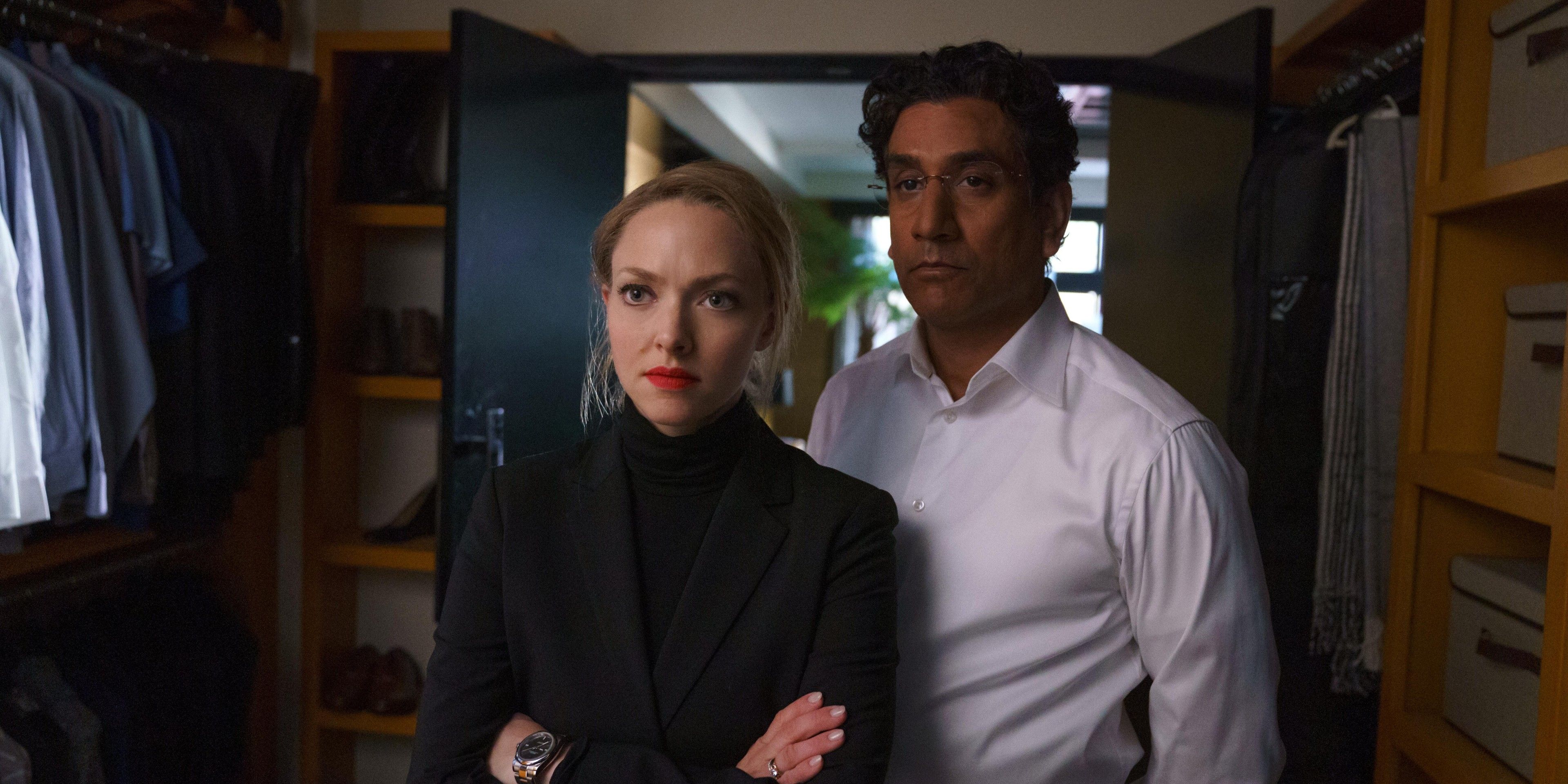
The Dropout had an opportunity to show viewers more of Holmes’ internal struggles before her decision to build Theranos. There is a moment when Holmes is convincing her parents to invest in the company with her college fund, and her mother asks, “Is this about what happened?” and Holmes says, “No.” This moment perpetuates a very serious issue many victims of assault go through. Many are forced to go on with life as if nothing ever happened, burying the event deep inside and charging forward onto the next thing. And for Elizabeth Holmes, that next thing was the start of a company she wasn’t entirely prepared to build.
Later in the show, there’s another female character mentioned to have suffered the same fate. The assault also took place at a frat party, but the event is mentioned in passing without taking a moment to recognize the significance of the parallel. The show does seem to find the events important enough to mention them, which does shed some light on the seriousness of the topic, but the need to quickly move on from these moments highly reflects society’s push to brush “unpleasant” tragedies under the rug. The burden is often left on the shoulders of the victim and not society itself.

Moving forward with the story, Holmes does mention the assault during her trial in real life. She also claims that her partner in the series, Ramesh “Sunny” Balwani, abused her in a variety of ways. Details of the abuse can be found in this article by Newsweek, and the show did take significant time on-screen to show their toxic dynamic with one another. The Dropout’s director has even explained their need to add in sprinkles of comedy to break up the seriousness of the dramatic re-telling of Holmes’ story. The creators had to worry about audience reception enough to gloss over certain details that might have needed more screen time.
Although these issues might not have gotten the proper attention necessary, executive producer, showrunner, and co-writer Elizabeth Meriwether has discussed the importance of having women involved in telling the stories of other complicated women. Without women involvement and input into the series, viewers might not have gotten any mention of the critical moments of assault for these women. When considering a general audience as their target viewership, many creators do have to make tough choices on whether certain information should be covered or spotlighted in their media. One important thing for creators to keep in mind is that many women who have had this same experience are also watching.
All eight episodes of The Dropout are streaming now on Hulu.