There are more tabletop roleplaying games available today than ever before. With thousands of designers releasing new games every day, there is no shortage of games for RPG fans to try out. Lots of people love Dungeons and Dragons, and for good reason. It is easily the most popular roleplaying game, so it’s always easy to find a group of people to play with.
But D&D is just one way of playing, and sampling what other games have to offer can actually help improve a Dungeon Master’s skills. Running games is a skill like any other, and practicing it in many different forms will inevitably lead to getting better.
8 Fiasco Gives A Good Structure For Improv
It might seem counterintuitive, but one of the best ways to improve as a DM is to play games that don’t have a game master. Fiasco is one of the best games like this, as it uses a strong framework to guide players through the story. Fiasco is quite cinematic, divided up into acts and scenes. Playing a game like this can help DMs start to see how similar structures can be used in their own campaigns and sessions, significantly improving their ability to control the pacing.
7 Blades In The Dark Introduces Flashbacks
John Harper’s Blades in the Dark has spawned a whole RPG rules system, now referred to as Forged in the Dark games. These games cover a wide variety of genres, but they all share certain design principles. One of the most iconic is the equipment system. Rather than choosing a list of gear beforehand, players decide how much gear they are carrying at the start of a mission, then pull out specific pieces of gear as they need it. This creates an incredibly dynamic atmosphere where the players can think of the perfect plan for the situation at hand. This system might not work for every DM, but it can help people think outside the box.
6 The Veil Invites Players To Think About Their Character’s Feelings
This cyberpunk game uses the Powered by the Apocalypse system, a very narrative rules structure. PbtA games emphasize a more collaborative and emergent style of play, which might be of interest to some Dungeon Masters. One of the most unique aspects of The Veil is its stat system. Rather than having concrete stats, characters in The Veil have numbers assigned to a series of emotional states.
Whenever a character takes an action, they roll and add based on how they are feeling about the situation at hand. Constantly asking the players how their characters feel about what is happening is a great way to add depth to the narrative, no matter what the system.
5 Fate Encourages Creative Thinking
There are several different versions of Fate, from the classic Fate Core to the much more streamlined Fate Accelerated. Both of these systems are very narrative-focused, with some specific design choices that might help inspire D&D DMs. Characters in Fate can always attempt to create advantages in their surroundings, in addition to trying to directly overcome the obstacles in front of them. In fact, it’s often necessary to create these advantages, forcing players to think much more creatively than they otherwise might. Putting some thought into ways the players can help bolster one another and use the environment will help contribute to a much more exciting game.
4 OSR Games Distill D&D To Its Basics
The Old School Revolution or Old School Rennaisance (depending on who you ask) is a design trend among people who want to capture the feeling of playing games from the 70s and 80s, particularly old editions of D&D.
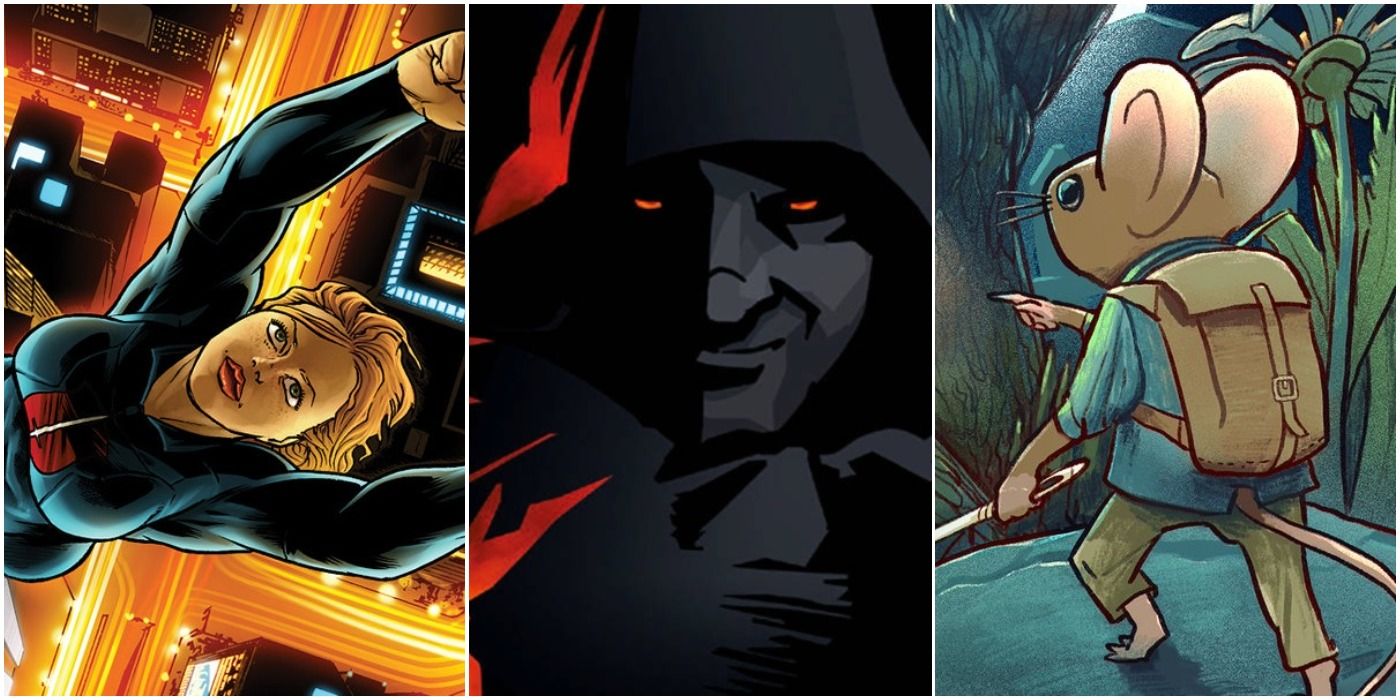
5th Edition has some of the DNA of older versions of D&D, but it has a lot of other features that some players feel get in the way of the core gameplay. Trying out one of these OSR games, like Mausritter or Mörk Borg, can help a DM hone in on exactly what they like about running D&D.
3 For The Queen Keeps Players On Their Toes
The GMless card game For the Queen has players taking on the role of attendants in the court of a queen as she journeys to a foreign land to broker a deal. This game requires no preparation, instead prompting players to write the story on the spot with specific cards that ask questions about their characters and the situations. Jumping in with no prior information about the plot and characters will help DMs improve their ability to improvise and roll with the story as it goes.
2 Firebrands Puts Rules To Many Situations
Starting with the game Mobile Frame Zero: Firebrands, there have been dozens of games that use what is now called the Firebrands framework. These games, which include The King Is Dead and Dragonhearts, are composed of several different minigames, each with a unique set of rules to simulate a conversation, a sword fight, or an intimate encounter.
The way these games use rules to simulate very specific circumstances is a great place to pull inspiration for other games. These games are GMless, helping to foster a feeling of collaboration as well.
1 Masks Puts Interpersonal Relationships Front And Center
Another PbtA game that uses a non-traditional stat system, Masks is a game about teenage superheroes dealing with their normal lives as well as their superheroic duties. Masks’ stat system is a series of shifting labels rather than inherent qualities. A Masks character is good at fighting if they feel like they are dangerous, regardless of whether that feeling is founded or not. This kind of shifting identity is a great way to think about characters in any game, and the detailed list of interpersonal questions in the Masks rules help contribute to this theme as well.
About The Author
