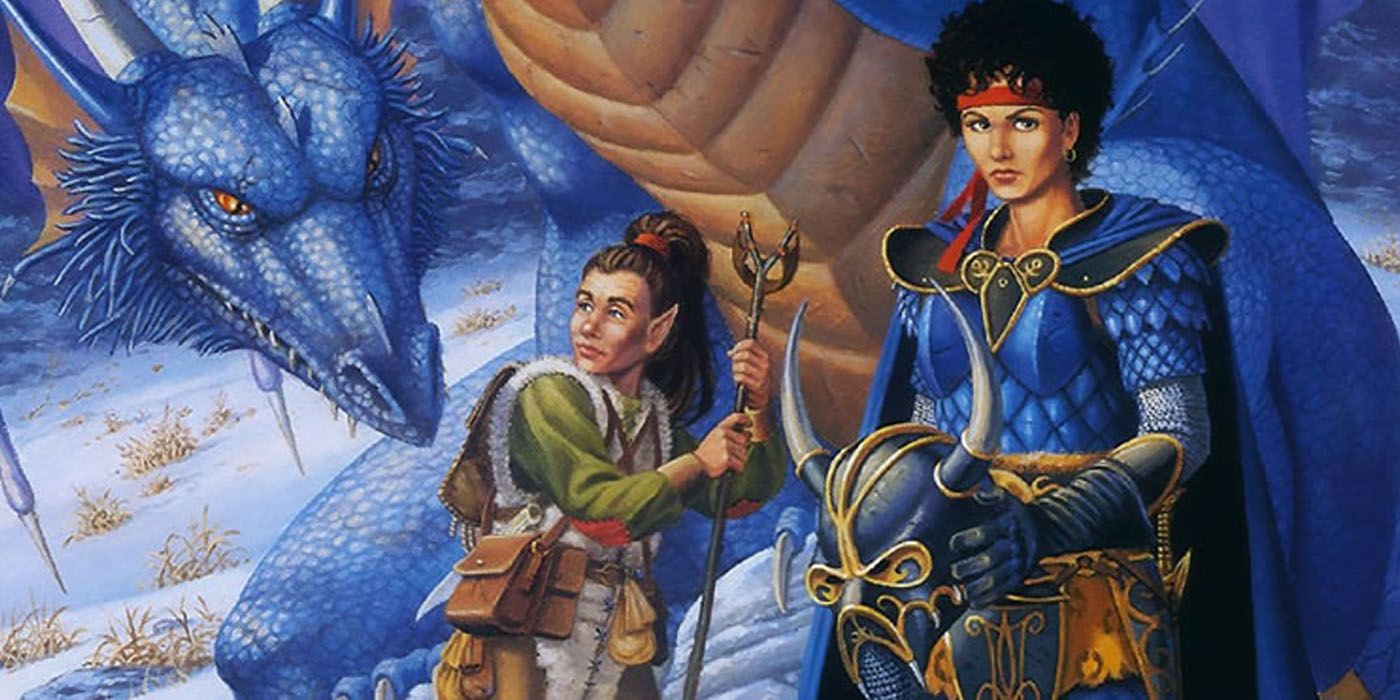
The Dragonlance world of Krynn was an early campaign playgrounds for many longtime Dungeons & Dragons players. The beloved characters of the long-running series of novels by Margaret Weiss and Tracey Hickman inspired generations of gamers, but since the release of D&D Fifth Edition, there hasn’t been much in the way of official source material set in that world. It wasn’t until late 2021 that Fizban’s Treasury of Dragons introduced one of the Krynn’s most iconic figures: Fizban the Fabulous.
Fizban’s introduction gave Dragonlance fans hope that future material set in Krynn might be on the horizon, and their wishes were granted when Wizards of the Coast released Unearthed Arcana: Heroes of Krynn playtest material. One of the most intriguing aspects of this release is the inclusion of the Kender, a race historically known for always seeming to have other peoples’ priceless objects in their pockets. But what exactly are Kender, and how is Wizards of the Coast altering them for 5e?
What Are Kender in Dungeons & Dragons?
Hailing from the land of Krynn, the Kender are a humanoid species similar to Halflings and distantly related to Gnomes and Dwarves. Short and slender, they rarely grow taller than four feet in height, but their pointed ears and fine facial structure grant their features an almost Elven quality. They also tend to have a slightly darker complexion than Elves. One of their most distinctive physical features are the topknots they fashion into their hair. A Kender’s topknot is not just a fashion statement, but an expression of racial pride.
Personality-wise, Kender are generally very inquisitive, granting them a childlike quality that often infuriates those who travel with them. They have an incessant curiosity and longing to know why things are the way they are, and when their curiosity isn’t stimulated they tend to become bored very quickly. Boredom is the bane of a Kender’s existence, and striving to remedy it can quickly get them into troublesome situations. This uncanny sense of innocence, coupled with their inability to understand the nature of ownership, has been known rouse suspicion and mistrust among other races, but in general Kender are relatively harmless — even if others consider them annoying little thieves.
How D&D Playtest Material Changes Kender
The Kender, as originally designed, often played the role of thieves (intentionally of otherwise). However, as D&D evolves, so do the player characters and the morals that guide the system. Due to their inability to understand the nature of ownership, Kender had a bad habit of reaching into other peoples’ pockets or pouches and taking whatever they wanted, earning them the label of thief in the eyes of many. During a campaign, a PC stealing from their fellow adventurers could potentially cause discord at the table, especially if it happens on a regular basis.
The UA playtest material changed the reasons why Kender may wind up with exactly what they need when they need it. Attributed to their curiosity and love of shiny objects, the Kender ability to reach into their pouches and pull out useful items is now magical in nature and in no way involves them stealing from other players. Included in the material is an item table that can be used to determine what they draw from their pouches, bags, or pockets with a dice roll, and the item lasts for up to one hour. Items might include things like adventuring gear, simple weapons, gold coins, rope, or trinkets.
According to these rules, no one really understands how this magic works, not even the Kender themselves. Its unique nature has led to the misconception that they are thieves, rather than the original and problematic suggestion that they had no personal respect for the property of others. This rule change provides opportunities to creates unique Kender characters without infringing on other players’ personal space or property.
About The Author
