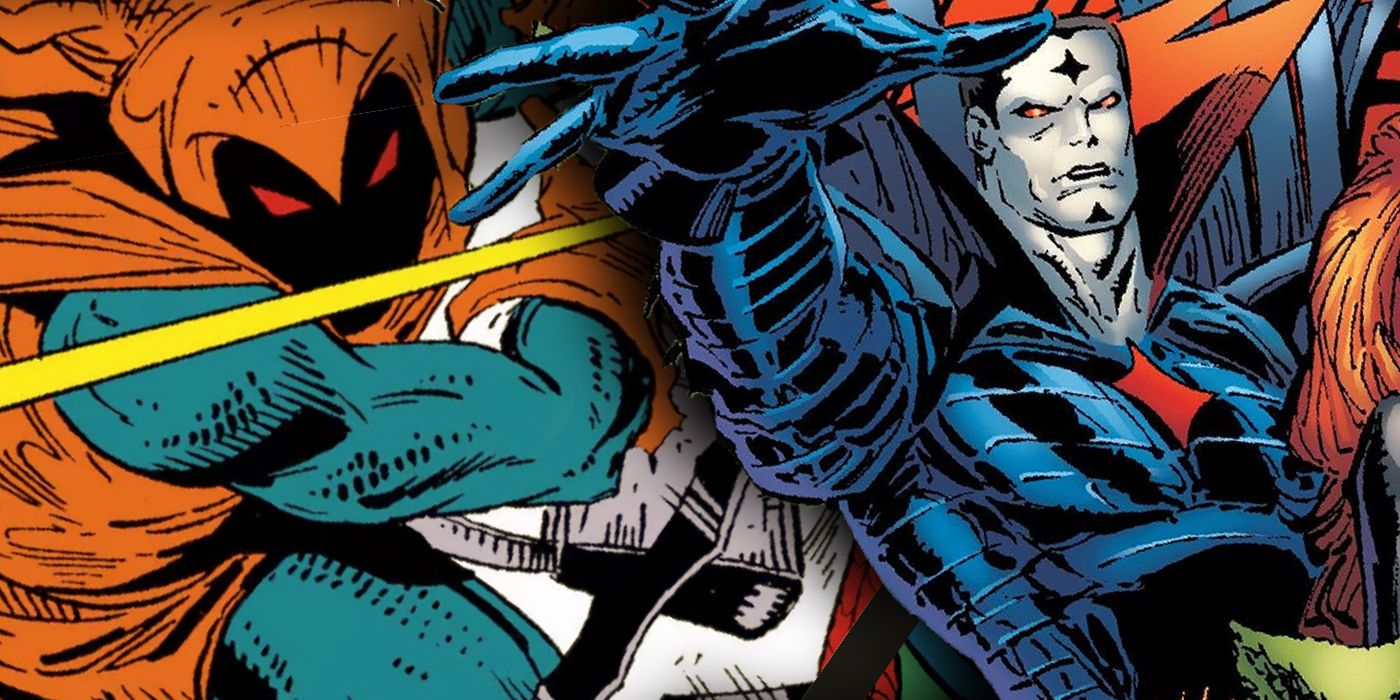
Most of the time, Spider-Man is a friendly neighborhood hero who faces crooks or low-level superhumans with abilities and colorful costumes comparable to his own. Even with this scope, his adventures are many times fairly street-level, with the mighty Rhino or the illusory Mysterio typically being the most out there that things get. This changed, however, when the hero was drawn into the late ’80s X-Men event “Inferno.”
Featuring unearthly demons and forces from a world below, the crossover event was hell on Earth for Spider-Man, damning one of his most iconic foes. With the X-Men set to go through another “Inferno,” here’s a look back at the original story and the dramatic effect that it had on Spider-Man’s world.
Inferno
The “Inferno” storyline involved the demons S’ym and N’astirh, who had found a way to finally escape Limbo due to Magick and the New Mutants’ constant traveling there. They convince Magik into tapping into her own dark power more than ever before, in doing so opening a portal from Limbo into Manhattan. This leads to a horde of fiendish demons attacking the city, with heroes such as the X-Men, the Avengers and Spider-Man taking charge to save the day.
This event also had a profound effect on Spider-Man’s villains. Up until that point, Curt Connors, a.k.a. The Lizard, had begun to gain greater control of his formerly bloodthirsty reptilian form. The magical happenings of “Inferno,” however, reduced him once again to a mindless beast who turned its rage against Connors’ wife and child after taking out rival demons in Amazing Spider-Man #313, by David Michelinie and Rick Parker. Spider-Man is able to fend off the doc, eventually feeding him an antidote that restores his humanity. This horrifying event was also the debut of artist Todd McFarlane’s much scarier take on The Lizard.
The New Hobgoblin
The Lizard wasn’t the only foe of Spider-Man to take on a devilish new form during these events,. At the time, the then current Hobgoblin was Jason Macendale, who before had taken on the identity of the Jack O’Lantern. He had hoped that becoming the new Hobgoblin would increase his reputation among the criminal underworld, but things hadn’t quite worked out for him as he had anticipated in Amazing Spider-Man #312.
For one, he had only the traditional Goblin gadgets and weapons, lacking the Goblin formula to make him superhuman and becoming somewhat of a joke. Thus, when he confronted the demon N’astirh, he sought power in exchange for his own soul. The demon found Macendale’s wit amusing, but didn’t see a similar value in his soul. Instead, he simply fused him with a demon, giving him the incredible power that he desired. Along with much greater strength, speed and dexterity, the Hobgoblin now wielded true hellfire instead of mere pumpkin bombs. Unfortunately for Macendale, his face was now morphed into a twisted visage even more frightening than his former mask, ripping him even further from his own sanity.
Hobgoblin would take on a more cult-like and vaguely religious persona afterward, particularly in the pages of the adjectiveless Spider-Man title from McFarlane. This put him into conflict with the similar hell-powered Ghost Rider. The demon within would eventually become its own separate entity, calling itself the Demogoblin and vexing both Spider-Man and the Hobgoblin. The villain has remained a somewhat consistent part of the Rogues Gallery, even if other overtly religious or supernatural elements have not. While the events of “Inferno” may have been a bit outside of Spidey’s wheelhouse, they definitely continue to haunt him and New York to this day.
About The Author
