Warning: The below interview contains spoilers for 2022’s Texas Chainsaw Massacre, streaming now on Netflix.
Following in the footsteps of David Gordon Green’s Halloween, Netflix’s Texas Chainsaw Massacre sought to revive the beloved horror franchise by bringing back its original final girl, Sally Hardesty. However, the film also aimed to be a direct sequel to Tobe Hooper’s The Texas Chain Saw Massacre — disregarding any lore from the franchise’s seven previous films. If both of those aims didn’t put enough pressure on the production, the fact that its original directors — Ryan and Andy Tohill — left one week into filming the slasher certainly did.
All that expectation pulls at the horror film’s raw edges, making it easy to find dangling plot threads. While, for the most part, director David Blue Garcia stitches together an enjoyable romp, the film can’t seem to decide whose story it’s telling and why. Based on a story by Fede Alvarez (Evil Dead) and Rodo Sayagues (Don’t Breathe 2), and written by Chris Thomas Devlin, Texas Chainsaw Massacre doesn’t live up to the bloody legacy it so clearly admires.
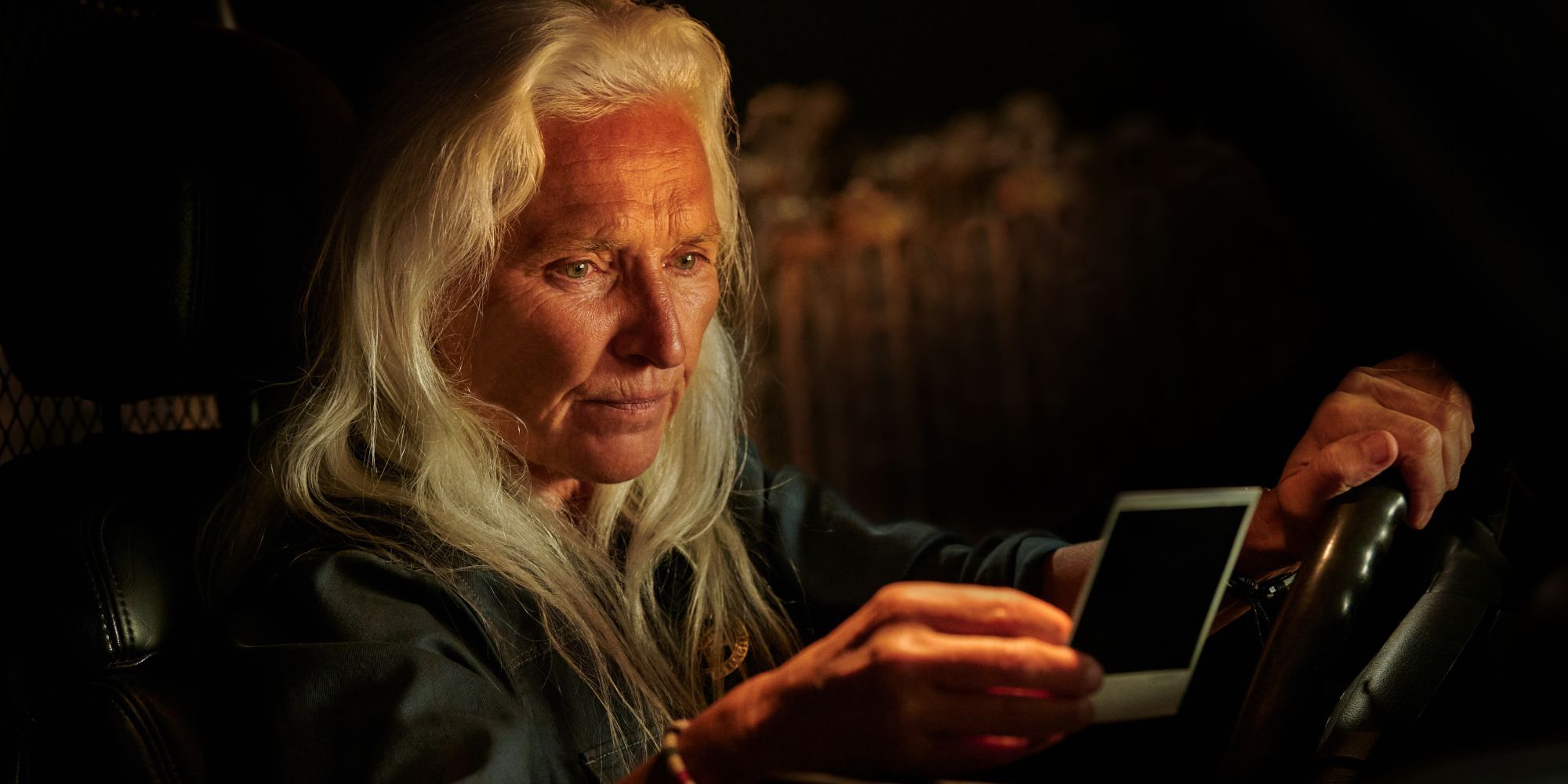
Audiences expected Texas Chainsaw Massacre to be the final showdown between a 50-year old Leatherface and a hardened Sally (Olwen Fouéré). Instead, Garcia introduces audiences to a new generation of 20-somethings who arrive in Harlow, Texas, seeking to restart the ghost town’s economy. What is there of Sally Texas Ranger is just enough to justify her presence in the story but she ends up feeling more like a fan-service nod that alludes to an intriguing life we’ll never know. When Fouéré is on-screen, she’s commanding and adds a believable grittiness to the role. Likewise, Mark Burnham’s Leatherface towers and staggers with all the harrowing energy fans have come to expect from the face-wearing serial killer. It’s a shame that their sole fight feels like an obligated dance. The two deserved more time to shine on-screen and settle their decades-long score. Sally — and Marilyn Burns’ legacy — deserved more than being brought back to be a final act plot device/death meant to kick off a franchise.
Most of Texas Chainsaw Massacre‘s runtime is centered on the new cast of characters who end up in the wrong place at the wrong time and make dumb decisions — making Leatherface’s m.o. to kill them all thoroughly understandable and honestly fun to watch. What made Hooper’s original film so terrifying was the idea that any person could stumble into a life-or-death situation. Garcia’s framing of this happenstance concept works fairly well. We believe that in the newcomers’ quest to revive (read: buy) a town, they wouldn’t realize how bank seizures affect their new neighbors. Of all the timely topics the film approaches — high-school shootings, racism, gun rights, allyship, feminism –, its focus on social class divides stands out. In this light, Garcia’s film more closely resembles the darkly comedic spirit of Hooper’s classic that had bloody fun alongside socio-political commentary.
But the terror of The Texas Chain Saw Massacre lives in its anonymity. Hooper’s teens didn’t need to have incredibly detailed backstories to matter. The fact that there’s still so much we don’t know about Leatherface’s casualties is what’s terrifying. Texas Chainsaw Massacre‘s creative team misses this vital point by spending far too much time sharpening character details and backstories that only end up giving us more questions than answers. Either pairing down the main cast or leaning into the characters’ ordinary and unprepared natures — a la The Strangers — would have worked better. Of the cast, Sarah Yarkin’s Melody stands out, bringing palpable frustration, fear, and rage to the screen. Watching her and Elsie Fisher’s Lila escape Leatherface is enjoyable and, again, makes the audience wonder what it’d be like if the film focused more on these two characters rather than developing ancillary ones.
Texas Chainsaw Massacre‘s gore delivers but its use doesn’t feel cohesive. At one point, an entire bus of out-of-town investors arrives solely to give Leatherface more fodder to kill. Although this moment brings a refreshingly campy tone, closer to The Texas Chainsaw Part 2, it feels out of place in what is otherwise a claustrophobic slasher shot inside a decaying house. If this was stitched around in editing, its visual seams are showing. However, Garcia’s intimate and minimal gore use works well — like the film’s opening (and gruesome) wrist break scene. Additionally, the ending twist — serving up major High Tension and old school Leatherface vibes — lands well too. If the rest of Texas Chainsaw Massacre had those same levels of restraint and playful allusions, the film would have delighted many fans.
About The Author
