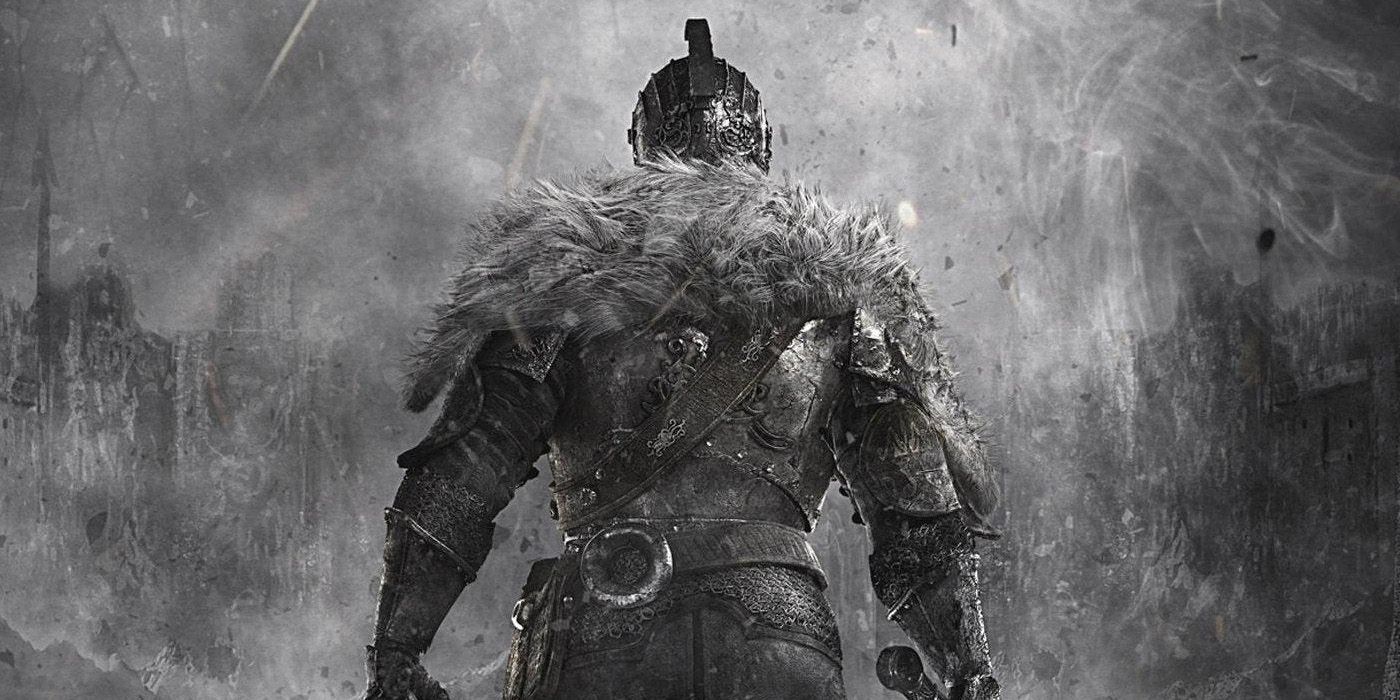
With the release of Dark Souls II came popular brand-new features, such as the well-received dual-wielding. Unfortunately, this wasn’t the case for the introduction of Soul Memory. Since its debut in Dark Souls II, Soul Memory has not featured in subsequent Souls games, much to the relief of fans. Still, Dark Souls II is lauded by critics, and delivers enough gruel that it’s worth experiencing, especially for fans of the Souls series.
One of the DS2‘s fundamental gameplay mechanics, Soul Memory tracks the number of souls a player has obtained in the character’s lifetime and determines who the player can connect with through multiplayer. However, the way the system tracks time rather than assessing the strength of a player’s character (such as with Soul Level) can make it difficult to pair up with friends online. Even more frustrating is how Soul Memory will try to matchmake players in PvP based on the amount of time put into the game, rather than measuring their strengths.
The most potent drawback of the Soul Memory mechanic is the fact that it only tracks accumulated souls. This mechanic becomes problematic, as when a player dies, they drop all of their held souls. While players can retrieve their souls, if they’re unable to make it back to collect them before dying a second time, the souls are lost forever. Unfortunately, the Soul Memory mechanic doesn’t recognize this and will still match players against more formidable opponents despite becoming weaker. This means if a player accidentally loses their souls, they could quite easily spoil their PvP experience.
This can also make it hard to connect with friends for cooperative play. To match with one another, players must have accumulated a similar number of souls. While this mechanic helps prevent stronger players from invading and defeating newer players, it has the side-effect of severely limiting cooperative play. However, an attempted fix known as the Name-Engraved Ring, an item introduced in Dark Souls II, extends the Soul Memory range, allowing friends to participate in co-op. To use the ring, players will need to select the same God. It must be noted, though, that players can still be outside of each other’s Soul Memory range even with the ring.
Hopefully, FromSoftware can find a good balance between allowing friends to connect while preventing stronger players from pummeling new players. Regardless of its flaws, the Soul Memory system worked fantastically as a barrier to protect new players, allowing them to experience the game away from griefers. Plus, the introduction of the Name-Engraved Ring has undoubtedly altered the way multiplayer functions in later Souls games, letting players connect more easily with their friends.
Thankfully, it seems fans won’t have to deal with the Soul Memory mechanic outside of Dark Souls II, meaning the multiplayer experience can return to its roots, judging players by their character’s strengths rather than accumulated time. Outside of the limited multiplayer experience, though, DS2 did a fantastic job providing the gritty experience fans came to know and love from Soulslike games. Dark Souls II was a brilliant follow-up to the series’ first game, implementing new and exciting mechanics, despite its drawbacks.
About The Author
