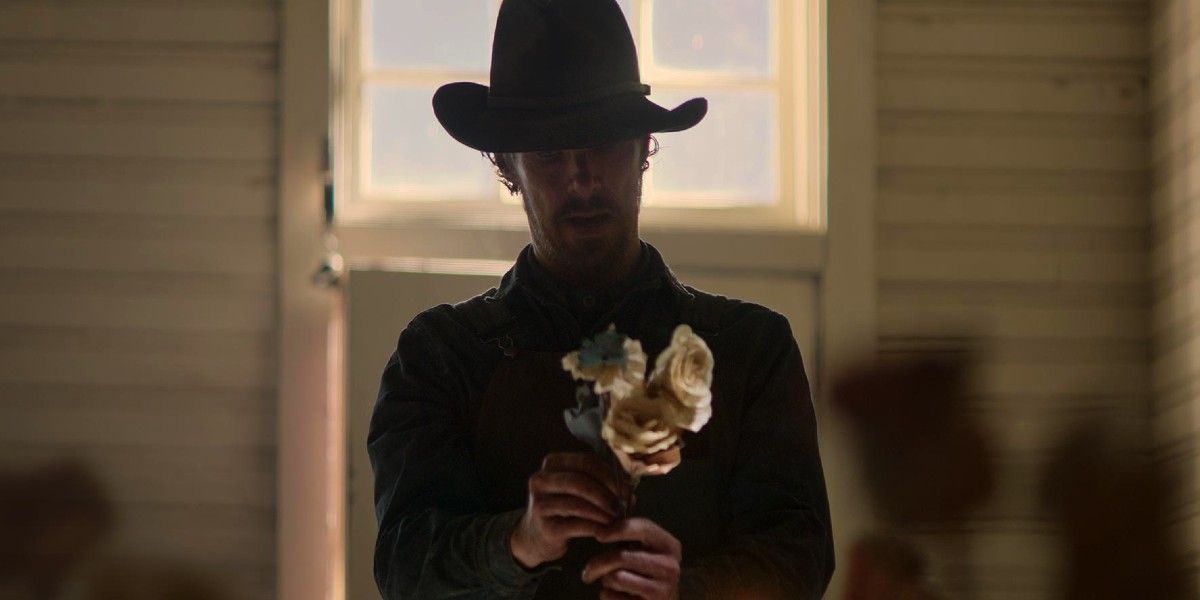
The Power of the Dog received 12 Oscar nominations, more than any other movie this year, putting it as a front runner for the upcoming award ceremony. Yet, before the nominations were announced, it may have been hard to believe that the film could prove to be such a critical darling. After all, the Western genre it inhabits no longer enjoys the heyday of success it once did, leaving many in recent years to claim the genre was dead. But The Power of the Dog proves exactly why the genre is far from dead. Demonstrating the versatility and complexity in the potential for the Western genre, and especially alongside other recent Western installments, it may not be time for Hollywood to hang up the spurs just yet.
The popularity of the superhero genre that dominates the box office season after season is often compared to the Western genre of the past. The period of time between the 1930s and the 1960s saw a massive production of Western films that were both commercially and critically praised, with directors like John Ford producing seminal works, such as Stagecoach and The Searchers, which are still considered some of the best films of all time. But the genre’s success has been more of a trickle in the 21st Century, with the last Best Picture nominee that could fairly be classified as a Western being 2012’s Django Unchained.
But The Power of the Dog enjoys a wealth of nominations far beyond just a Best Picture nod. As the highest-nominated film competing in the upcoming Academy Awards, using the Oscars as a metric for success could indicate just how much potential remains untapped in a genre too often declared deceased. What the film proves is that such declarations are too definitive to be fair. Genres are flexible and amorphous concepts that can be endlessly twisted and adapted to a far broader range of appeal.
While the films like Ford’s that helped define the Western genre in its heyday established many of the major identifiers for the genre, such as the typical John Wayne hero, The Power of the Dog proved to be a marked departure. The rugged cowboy Phil Burbank, played by Benedict Cumberbatch, proves to actually be the villain of the film rather than its hero. In defeating him, the action of the film has no interest in the typical gunfights and horse chases of Western films in the past, and yet, in its setting and aesthetic, it is impossible to divorce the viewing experience from more familiar Western fare.
What many of the recent Westerns that have seen success, and what The Power of the Dog proves, is just how much potential the genre has for exploring the lives and minds and characters beyond the cliched white male gunslinger of films past. Django Unchained provided the empowering perspective of a freed slave, the recent The Harder They Fall provided a refreshing take on a classic tale with an almost entirely black cast and The Power of the Dog explores the marginalized role of Kirsten Dunst’s Rose Gordon as her marriage to Phil Burbank’s brother puts her in proximity to the toxic masculinity the film analyzes.
The Cohen brothers enjoyed years of success with a filmography that dips into and blends the Western genre in their works. Be it True Grit, No Country For Old Men or the more recent The Ballad of Buster Scruggs, their successes helped keep the Western in the public eye as others endeavored to stretch the genre further and wider than it ever had been before. The Power of the Dog‘s Oscar nominations, and possible wins, could stand out as a new goalpost that makes Western features a mainstay in award seasons yet to come.
To see how the Western is far from dead, The Power of the Dog is streaming now on Netflix.
About The Author