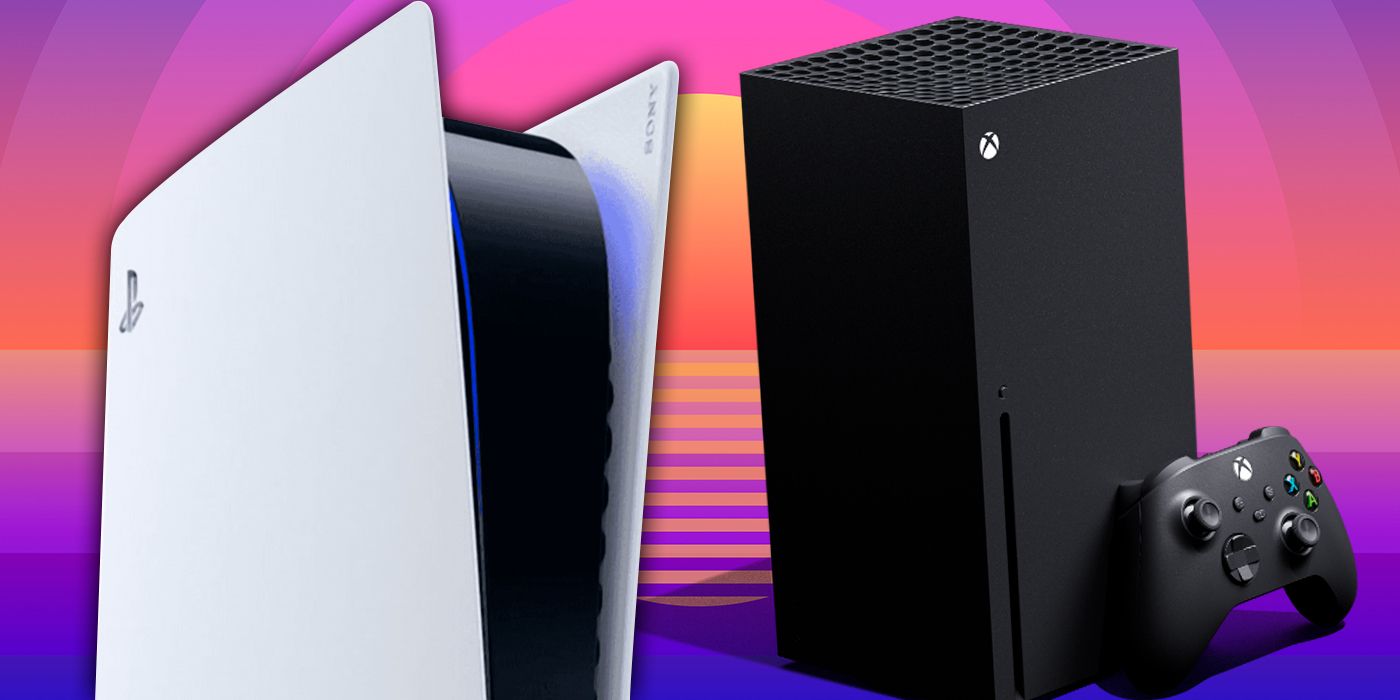
The seventh generation of gaming consoles saw PlayStation 3 and Xbox 360 fans in an endless debate over which system was superior. There was a level of fandom surrounding game consoles that there hadn’t really been since Nintendo and Sega battled it out in the ’90s. Sony and Microsoft were quick to get into the battle, with both companies trying to one-up each other at every turn. Gamers dedicated themselves to one side or the other and held their allegiances strong.
However, in recent years, the debates over which company makes better systems have died down. This could be, in part, due to things like cross-play becoming way more prevalent or the recent generation of game consoles having fewer notable differences. Without major features to make systems stand apart from one another, console developers have turned to a new way to shift sales in their favor. Technological advancements may make the hardware similar, but games can always be made exclusive.
While console exclusives are nothing new, the recent buyouts of companies like Bethesda Softworks, Activision Blizzard and Bungie point towards a future where the console wars are more about what game franchises are available on what system. Microsoft buying up Activision Blizzard gives it the rights to franchises like Call of Duty, which could easily be made an Xbox exclusive down the line. Even Sony buying Bungie could be seen as it trying to get its hands on the Destiny series for PlayStation consoles.
Microsoft’s acquisition of Activision Blizzard seemed to spark this studio war, though it wasn’t the beginning of Microsoft’s hunt for new studios to acquire. Big acquisitions like this mean that Microsoft can pad out Xbox Game Pass with more games, making it even more appealing to an even wider audience. The Bethesda acquisition resulted in plenty of the publisher’s older games joining Game Pass, so it makes sense for the game to happen with Activision Blizzard’s massive back catalogue.
While Sony didn’t buy Bungie in response to Microsoft’s purchase of Activision Blizzard, it’s still hard to ignore two major franchises developed by the studios, those being Destiny and Call of Duty. Given how popular games as a service have become in recent years, Sony has the possibility to make Destiny a PlayStation-exclusive. The buyout won’t affect Destiny 2 or any future updates, having future entries in the series exclusive to PlayStation systems would be a huge incentive for players to pick up a PlayStation over an Xbox.
While it may be easy to assume that these recent buyouts are just the companies grabbing new flagship studios, the fact that Activision Blizzard and Bungie are both pretty important studios to their competitors is something of a red flag. Activision Blizzard published the former PlayStation-exclusive Crash Bandicoot series, while Bungie created Microsoft’s Halo franchise. These studios are huge as far as the histories of Sony and Microsoft go, so becoming acquired by their major competitors might just be the first shots of a new console war.
Since Sony’s Bungie announcement, neither company has made any other major acquisition. That hasn’t stopped fans from speculating on what studios could be next, especially since rumors are currently pointing towards Sony looking to acquire more major developers at in the future. These are just unconfirmed rumors, but it’s certainly a possibility given the precedent that’s been set.
Whether or not this is ultimately good or bad for the industry and fans won’t be clear for a while. On one hand, studios being purchased can lead to a huge leap in the quality of their games. Much-needed changes to things like management and direction can improve that games themselves, as can the additional funding a giant like Microsoft and Sony can provide. On the other hand, studio buy-outs mean there are fewer competitors in the market, leading to less variety and possibly stagnating innovation.
Regardless of whether this turns into a full-blown corporate war or not, it’s clear that Microsoft and Sony have the money and the motivation to buy up studios. Game development, at least when it comes to AAA studios, is becoming less about the system and more about the games that can be played on them. The console wars may be over, but the future appears to be one in which a console’s worth comes down to the studios its creator owns.
About The Author