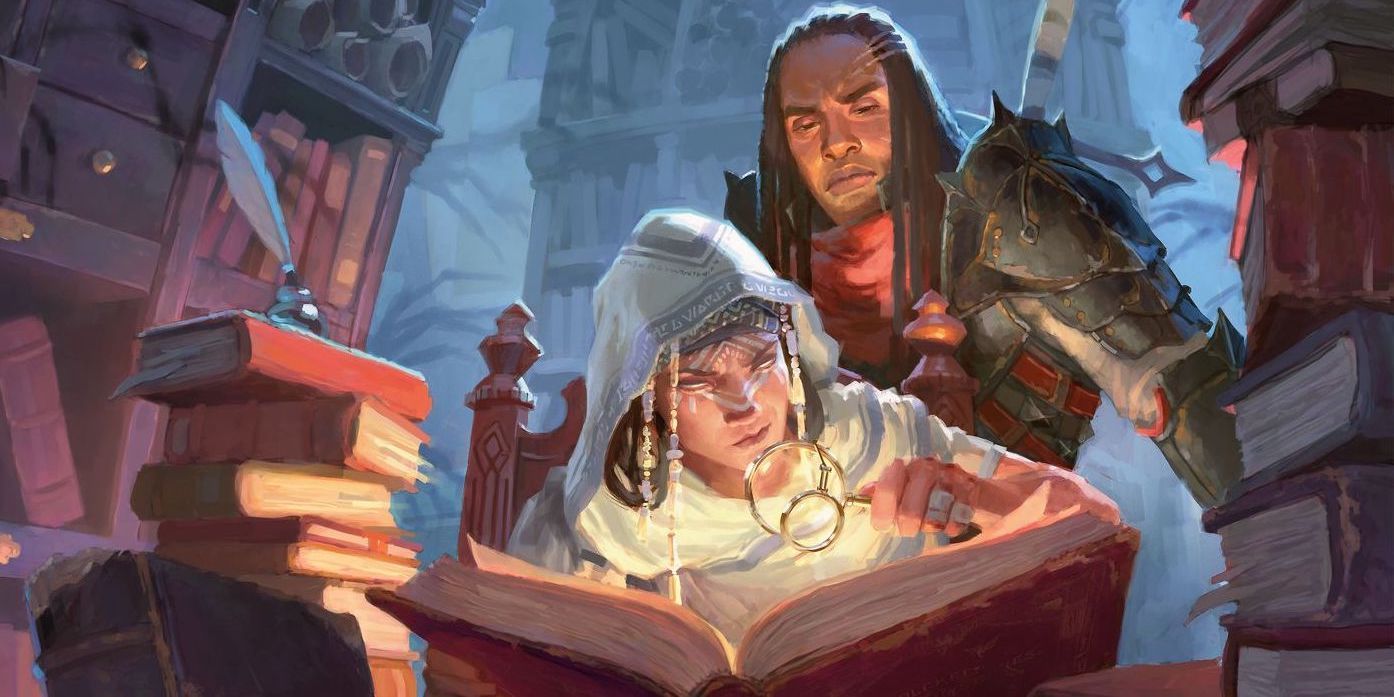
With the wide availability of today’s extended source materials, combined with the booming popularity of tabletop roleplaying games, running a game of Dungeons & Dragons without encountering players who are aware of story spoilers can be a challenge. Thankfully, Dungeon Masters can choose to engage in the time-honored tradition of homebrewing, or writing a campaign from scratch — that is to say, without any module or pre-written text to guide the campaign.
Creative freedom, spoiler-free stories and a mountain of preparation await. However, at the end of the road lies some of the most rewarding stories ever told, regardless of medium. Here are some things any DM looking to write a run their first homebrew adventure should know.
Start With a Theme
The open world of imagination can lead to a campaign sprawling into nearly every conceivable situation. What should be constant, however, is a theme or two that pulls a party through each adventure after learning something new about themselves or the world they inhabit.
When concocting a homebrew campaign, nearly every major storyline (save for the player character backstories, which will depend on the players themselves) should resonate some major themes the DM would like to explore. Examples include the mortality of revenge, the harmful effects of greed or the pain of dealing with loss. Not only will this open the door for poignant moments, but providing a through-line that weaves major story arcs together is a great way to measure a party’s character growth and development. It also makes coming up with a satisfying conclusion easier.
Don’t Be Afraid to Borrow
While some may feel like it’s cheating, taking inspiration from your favorite existing franchises like Lord of the Rings or Game of Thrones is perfectly fine and incredibly common. DMs, especially new ones, should feel free to use things like settings, history and story elements from other media and insert them into their own campaigns. Dungeons & Dragons is an imagination-based game, after all, and there are no limits to what can be fused together to form something new.
In addition to using other stories to inspire a setting, one could also take elements of existing media to inspire homebrew mechanics — so long as they are not game-breaking. For example, a DM could take the the dueling beams of energy found in everything from Harry Potter to Dragon Ball Z to create a rule like “Party members from either side may place a hand on their spellcaster to inflict additional damage.” Such a rule could create great moments for a party and reinforce themes like friendship and teamwork.
Focus on World-Building
Whether a game takes place at World of Warcraft‘s Mount Muganda or at the bottom of Mariana’s Trench, clearly defining the environment a party ventures through is an absolute necessity at the start of a campaign. Describing a location using phrases like “The town is a mix of X fantasy town meets Y sci-fi city” can save time during a session and give players an accurate feel for the world they are in.
DMs should take the time to lay out what is expected and unexpected in the world. The first few sessions should lay out the relevant history, characters and norms of the realm, starting with the most important and relevant information first. For instance, players should know what magic or machinery is considered common, rare and nearly impossible.
Let Your Players Be Themselves
While the DM constructs the sandbox that the party plays in, the players are ultimately the ones who shape what happens within it through their Player Characters and actions. This all starts with character creation, and while it may be easier for a DM to put restrictions on things like races and classes, it’s generally best to let players choose what they want.
Not only will this allow players to create PCs they are happy with, but it also gives the DM an idea of what each player’s interests are. Knowing this, they can determine what kinds of traps, story elements and combat encounters will resonate with the party. Encourage player to come up with in-depth histories, as characters with long backstories provide a gold mine for weaving in relevant plot points and incorporating characters into an overarching narrative.
One problem DMs may encounter with this approach is with players who want to recreate an established fictional character and their arc, something that may entail spoiling any developments the PC may make over the course of the game. However, instead of simply shutting the idea down, help the player come up with tweaks and adjustments that make their character distinct. Simple changes to a character’s backstory can lead to drastically different creations.
Give Your Players Clear Goals
It may seem obvious, but the party’s goal needs to be apparent early on. Generally speaking, it’s good to provide a party (especially one that consists of newer players) with a long-term goal, like defeating an evil sorcerer, alongside short term ones, like retrieving a magic gem for a king.
Setting newer players loose in a grand, wide world might provide them with plenty of freedom, but it can also result in meandering sessions where not much gets done. If a party is getting off track or seems unsure of what to do next, the DM should remind them what their objectives are, allowing those to shape the group’s decision making.
About The Author