In 2006, Bo Burnham’s comedy career started on YouTube with a series of comedic songs that led him to be signed by Comedy Central. However, this was only the start of his rise to fame. He released three comedy specials over the next decade, with Make Happy premiering on Netflix in 2016. The intervening five years saw him take a break from stand-up to focus on writing and directing Eighth Grade and starring in Promising Young Woman. But that break comes to an end with Inside, his fourth comedy special, which was recorded over the course of the COVID-19 pandemic and marks his return to stand-up.
Bo Burnham’s Inside has a fairly simple premise and was recorded in a single room in Burnham’s house. The 90-minute show embraces its lack of live audience, instead choosing to tell a story about isolation and increasingly poor mental health during a year where that feels like a universal experience. What could be a simple gimmick is used instead to give weight to the show’s overall message.
Unlike previous specials, Inside has a clear theme in mind. Burnham takes the audience on a ramshackle tour of online life, commenting on corporate social media, Instagram, video game streamers and even the altered disposition of a generation raised on the internet. He’s stuck inside, and as such turns his comedic gaze to the virtual spaces which have become even more prevalent during the pandemic.
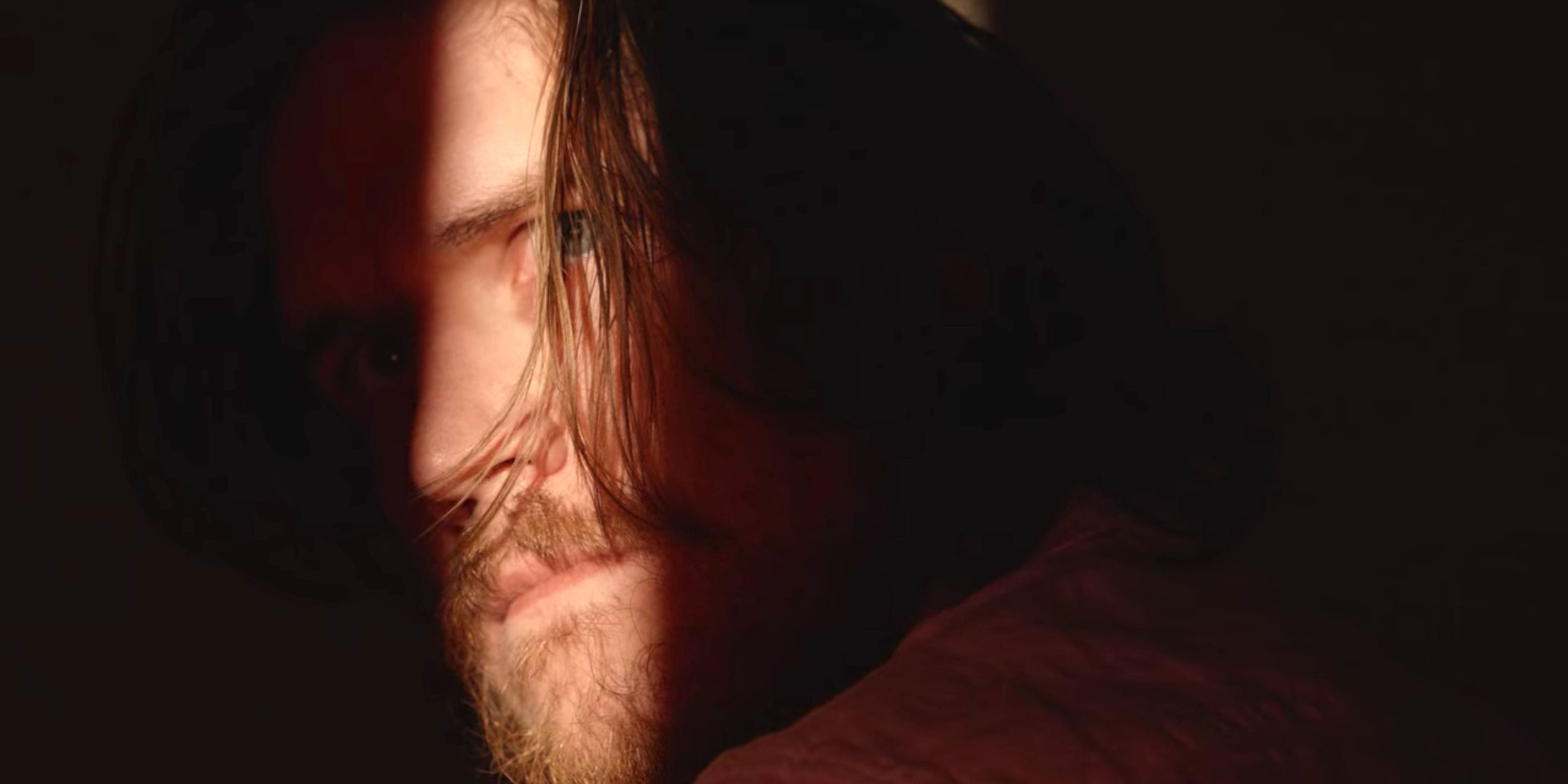
The idea of isolation persists throughout, even extending to Burnham’s physical appearance. He refuses to cut his hair or shave throughout the process of making the special, resulting in an escalating sense of detachedness from the outside world as his appearance grows more disheveled. His appearance also gives the audience a useful visual tool to understand the special’s linear progression in a setting which would otherwise have no indication of the passing of time. Burnham rarely calls out the months that go by, but does so on two specific occasions when he chooses to speak to the audience — once when he talks about turning 30, and later when he mentions he’s been working on the special for around a year.
All of this contributes to a morose tone not seen in Burnham’s previous specials, with the comedian even choosing to take a rather candid moment in the middle of the special to make it clear he doesn’t endorse suicide or self-harm. Inside is a story about Burnham’s declining mental health, and as such bears an uncanny resemblance to Charlotte Perkins Gilman’s “The Yellow Wallpaper,” a short story authored in 1892. “The Yellow Wallpaper” tells the story of an unnamed narrator who finds herself confined to a single room by her overprotective husband and depicts her increasingly poor mental state due to her dismal surroundings. It’s a story about what happens when someone is deprived of contact with the rest of the world.
Inside comes over a century later but tells a similar story as Burnham finds himself in a poor mental state due to his isolation. This is mostly left as an unstated sense of dread and malaise, but the Massachusetts-born comedian takes a moment to comment on it directly in the special. He explains that he took a break from stand-up after the release of Make Happy due to panic attacks he began to experience on stage. In January 2020, he started to consider returning to live performances, only to be blindsided by the onset of the pandemic. Inside is born from the ashen remains of that ambition, the result of a feverish year spent inside and afraid.
This is exemplified nowhere better than by the film’s ending, which opens the door that has sat behind Burnham for the entire special. He exits through it, only to emerge onto a stage not-too-dissimilar from where he’s conducted past specials. This could invite hopeful comparison to Shakespeare’s “all the world’s a stage,” but instead swiftly turns to horror as an invisible audience begins to laugh at Burnham. But even that revulsion is undermined as the camera pulls back to show that scene as merely an image on a screen, watched by Burnham, who then begins to smile. His pain and anguish is the subject of his comedy, but it’s an image he willingly engineers.
This duality between Burnham as Inside‘s subject and its author underscores the special, with seemingly careless reminders scattered throughout. Equipment is often left in the shot, with an especially morbid focus on cameras. Burnham will often end individual sections with bloopers or the decision to record another take. This focus on process breaks the fourth wall and undermines the emotional intimacy of the special, but with sharp intentionality. Everything Burnham does or says is scripted, performed and edited — a stark contrast to live performances.
Inside is gut-wrenching, disturbing and deeply emotional 90-minutes of carefully crafted comedy; but, even the label of comedy feels insufficient. There’s plenty of brightness in Inside — clever jokes wrapped in the lyrical sweetness of Burnham’s music. That sweetness, however, is used to coat a bitter message that takes an unflinching gaze at the modern online landscape. Individual segments might make the audience laugh, but will be just as swiftly followed up with uncomfortable silences and haunting moments of personal vulnerability from Burnham. Inside is a sobering return to comedy.
Written, directed and starring Bo Burnham, Inside is now streaming on Netflix.
About The Author
