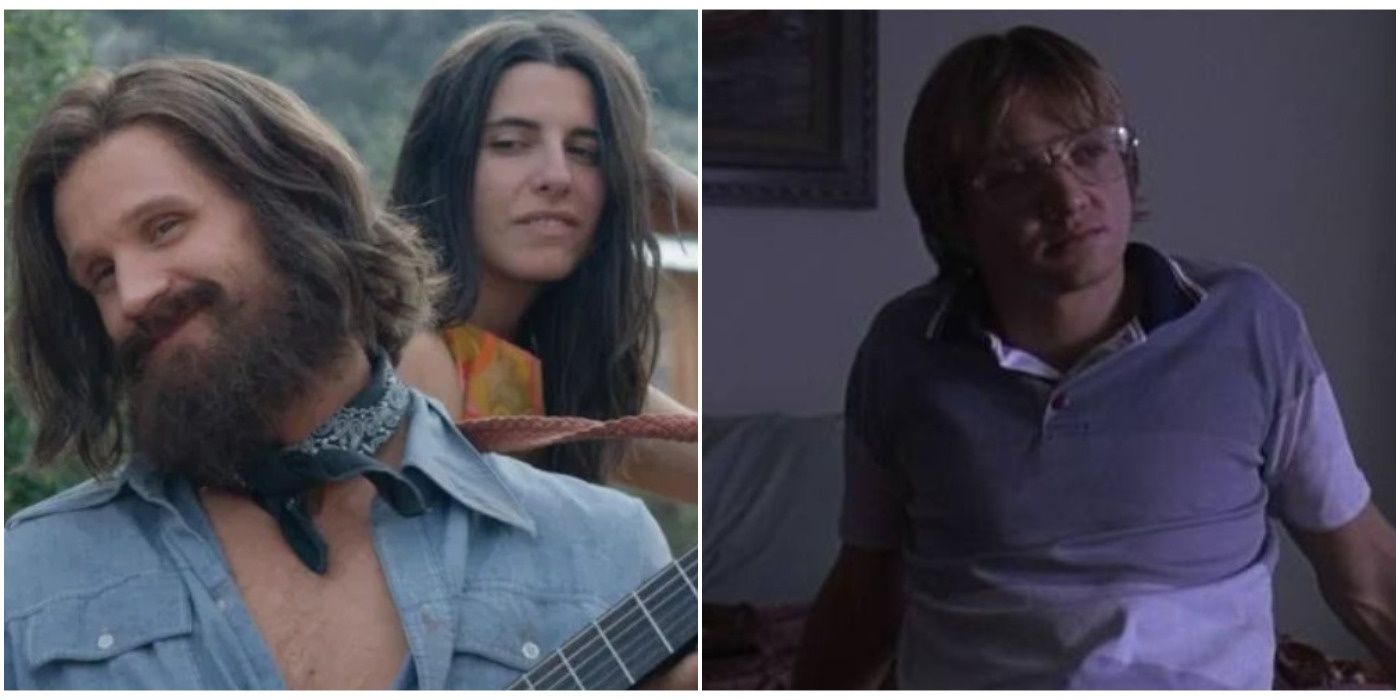
True crime movies tend to always dramatize certain things for the sake of the narrative, and that’s understandable. A movie isn’t going to be very good if it’s spastically all over the place, and the crime itself is often used more as a guideline rather than law to follow. Once Upon A Time in Hollywood is a prime example of that.
The concerning thing is that far too often, films try to glorify or excuse the actions of the killers. If it’s a means of showing that they were innocent the whole time, that’s fine, but trying to humanize people like Ted Bundy or Ed Gein is a no-go.
9 Extremely Wicked, Shockingly Evil & Vile Glorified Ted Bundy Rather Than Condemning Him
There’s no doubt that the strongest part of Extremely Wicked, Shockingly Evil and Vile was Zac Efron’s performance. He brought a charisma to the role that almost made the viewer buy into the fact that Bundy was innocent of his crimes, despite knowing the contrary.
That’s part of the issue with the movie though. It rides that strong performance so much that it never fully addresses the heinous crimes as much as it should. Efron has an aura of likability to him, and at times, it hurts the movie as a result.
8 Dahmer Tries To Rationalize Jeffrey Dahmer’s Actions Rather Than Portray Him As The Monster He Is
The movie Dahmer did a lot of things right and is the film that many agree helped launch Jeremy Renner’s career. It was a standout performance that gave Dahmer layers that viewers wouldn’t expect to find, but it also suffered from the script trying to rationalize his actions.
When talking about someone who lured and murdered 17 people, excusing their crimes isn’t something a movie should try to do. Yet, that’s what Dahmer tries to do at points. Some actions simply can’t be justified.
7 Snowtown Is A Disturbing Film That Starts As A Rallying Cry Against Abuse Before Spiraling Out Of Control
Snowtown is a film that doesn’t try to glorify the killers in the same way other films do. They don’t make any of the characters charismatically likable. Instead, they use other crimes, such as child abuse, as a means of justifying the actions of the killers in the movie.
It’s what draws in the title character of Jamie to help John, the primary killer of the movie. By the end, viewers are meant to feel bad for Jamie since he’s been utterly brainwashed into doing John’s bidding, somehow absolving him of the awful murders they were committing.
6 The Boston Strangler Makes Viewers Feel Bad That DeSalvo Is Forced Into A Catatonic State
The Boston Strangler is a rare older movie that didn’t make their killer into a monster. The movie rightfully didn’t shy from the nature of its murders but makes the audience feel for Robert DeSalvo as he suffers from multiple personalities.
His normal personality is likable, while his other personality is the one that commits the murders. This fact is made even worse when the doctors force Robert to confront his other half, knowing that it would drop him into a catatonic state.
5 In The Light of the Moon Has The Gall To Make Ed Gein The Protagonist Of Its Film
To the credit of most films that make their serial killers likable, they at least have the decency to not turn them into the protagonist of the movie. In the Light of the Moon didn’t seem to get the memo that it’s in poor taste to portray a serial killer in such a light.
The film centers on Ed Gein, only introducing other characters so they can meet their end at his hands in the movie. It even ends with images of him trying to fight back his urges to kill, making it out like he was misunderstood rather than a monster.
4 Karla Made It Out Like Karla Homolka Was A Victim Rather Than A Serial Killer
Of all the films that have fallen into the pitfall of likability, Karla may be the worst. It isn’t that they try to make Karla out to be the hero of the story, but they make it seem like she’s the victim.
She and her husband killed multiple people together, yet the movie marginalizes all of her actions in the film and instead focuses on how Paul brutally beat their prey. They make it seem like Paul forced her into doing these things when she’s just as culpable in the acts as he was. It’s beyond poor taste.
3 The Relationship With Prison Guard Henry Lesser Helped Humanize Carl Panzram In Killer: A Journal of Murder
Killer: A Journal of Murder is an underrated film that nails how to portray a serial killer while they are locked up. James Woods plays Carl Panzram and makes no qualms about what he’s done, movie-making no pleas of how misunderstood he is. He does awful things and is more than willing to be punished for them.
What makes him relatable is the connection he has with prison guard Henry Lesser and their friendship, the foundation of the entire movie. It lets viewers see that Panzram hated himself more than anyone could hate him, pleading to get out of this body.
2 The Hillside Stranglers Had Their First Victim Be Justified Since It Was Against Someone Who Destroyed Their Lives
The Hillside Stranglers is not a very good movie and is one that relies on excessive nudity and plenty of violence to cover for a lackluster plot. It falls into the same issue that many serial killer movies do and place them in the leading roles rather than antagonists to a cop or potential victim.
The movie even tries to justify their first killing by making it about revenge towards the woman that ruined their lives, using it as a way of explaining all their future actions. It’s nothing more than a poorly made exploitative film.
1 Charlie Says Wants Viewers To Feel Sorry For The Brainwashed Victims Of Charles Manson
To its credit, Charlie Says doesn’t make the daft attempt of making Charles Manson likable. He’s a lunatic cult leader played as such throughout the movie. The issue it has is the same many documentaries and movies have when covering the material.
It tries too hard to build sympathy for his followers, in this case, Lulu, Katie, and Sadie. While they were brainwashed into becoming his followers, it shouldn’t be made to excuse the acts they committed. They murdered people, and that fact should never be lost.
About The Author