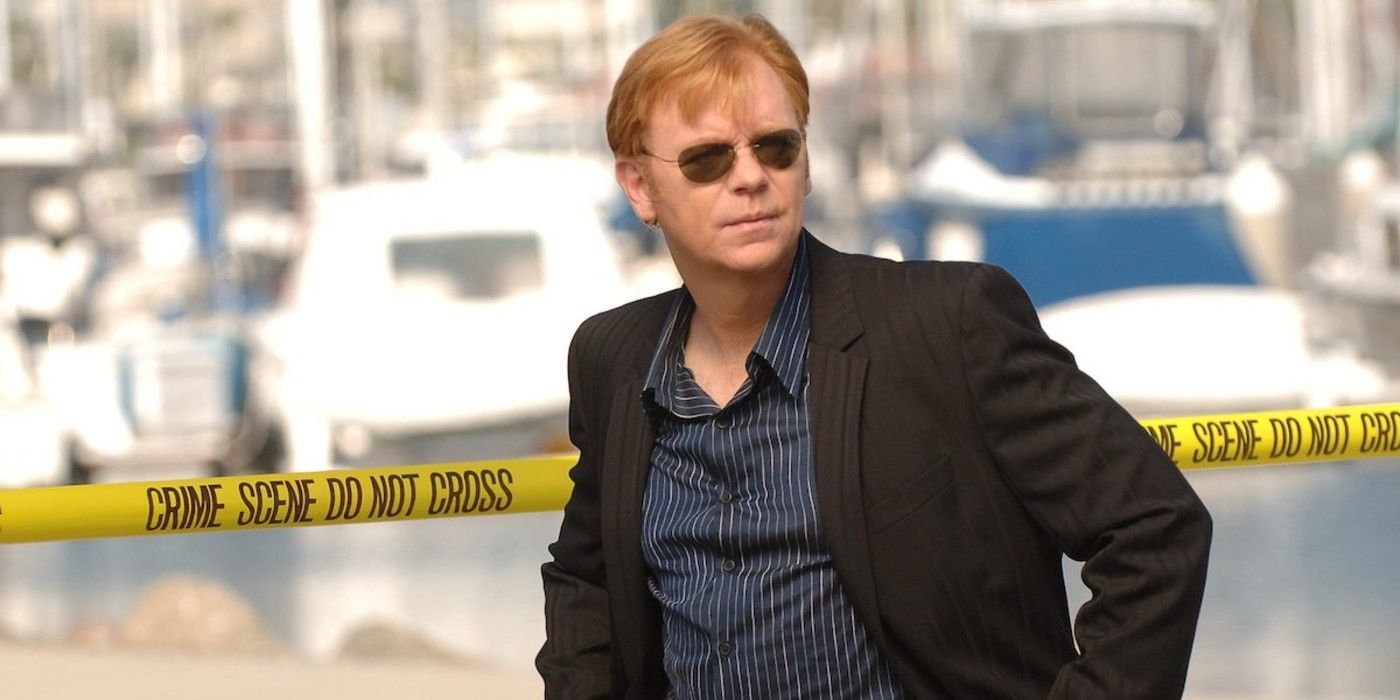
Police procedurals are a huge part of television. Every year a wave of new cop shows debut. Some have unique twists to help them stand out; some focus on rookies, others focus on a specific specialized unit within the police force and some like to stick with the classic buddy cop/detective stories.
It seems every television channel and streaming service has some variation on these shows. However, with their insane popularity, they have also helped construct various myths about work in law enforcement. And these have spread into the public to create an image of what work in a police station could be like that is simply untrue.
10 A Landline Phone Call Cannot Be Traced In Seconds
There is no technology that can track a phone call back to a specific location in an instant. Tracing a phone number takes time and effort. This is what makes tracking landlines and phone booths so difficult and why so many fugitives use them because the police simply cannot track them in an efficient amount of time.
It is much easier to track someone with a smartphone due to the GPS tracking in each phone, but the same does not apply to landlines.
9 Undercover Cops Don’t Have To Tell People That They’re Cops
“You have to tell me if you’re a cop” is a tactic that is often successfully used by criminals in TV shows, but it’s not a real thing. At no point is law enforcement required to reveal their status to you, especially if they’re undercover. This would defeat the entire purpose of undercover work if they made no effort to conceal themselves.
Officers go through intense training to go into undercover work. They are meant to completely immerse themselves in a possibly criminal environment without anyone ever knowing they were a cop. There is no law that states that they have to inform you that they are a police officer, even when directly asked.
8 Blood Doesn’t Show Under UV Light Unless It’s Treated
Blood does not show under UV light in its natural state. In fact, blood that is left behind at a crime scene can be treated with chemicals that cause it to glow in dark environments— the UV light itself isn’t even needed.
However, other fluids such as saliva do glow under UV light, but cannot be counted as evidence. The surfaces need to be treated with chemicals in order to cause the blood to appear under UV light. This would require the investigator to either already know there is blood there or just take a wild guess.
7 Cops Are Encouraged To Use Tasers First
Cop shows like to go all out with the action. Cops always draw their guns, and firefights happen all the time. However, in teal life, police officers and even the military are taught to treat the use of their firearms as a last resort.
The Stanford Criminal Justice Center details that “…police officers be encouraged to use tasers as an alternative to lethal force.” However, tasers are also categorized in some situations as excessive force due to the health effects that are still studied. Cops you see on TV that pull their firearm first are not cops, they are glorified action stars.
6 Zoom & Enhance Is Not A Thing
You cannot simply “enhance” an image or CCTV footage. The process of upscaling a video resolution requires that the data already be there to access. In video resolution, each pixel of the resolution is data. If the data does not exist, then it cannot be used to enhance an image.
Cop shows often use this to avoid dead ends in investigations. Grainy security footage that doesn’t show the accused’s face is not admissible in court and cannot be used in a case. Instead, stakeouts would normally be used to grab a high-resolution photo of the suspect.
5 Bad Guys Aren’t Beaten When They’re Arrested
Just because a suspect or a “bad guy” is arrested, does not mean that it’s all over and done. They still need to be charged with a crime. And if they’re not a priority they could be on bail for however long it takes to go to trial, and the court date could be more than a year away.
Any screw-up in the court process could lead to them being let go. In addition, the legal system stretches so far beyond just law enforcement. Defense attorneys are trained to find any aspect of the case to exploit and get their client released.
4 There Is So Much Paperwork
The majority of police work is paperwork. Cop shows often gloss over this menial part of the job as it is seen as too boring, however it is an incredibly important part of the job.
Officers are required to write detailed reports of any incidents they are involved in, and if they are involved in a shooting, or shot someone themselves, the officer is put on desk duty while the shooting is investigated. Standard procedure instructs that an officer cannot simply return to regular patrol after being in a firefight with multiple casualties the previous day.
3 Undercover Cops Cannot Appear On TV
Some cop shows may have a character go undercover for a season, and then, later on, have them appear on TV for an interview or for a comment. This cannot happen. Once a cop appears on television, or any form of publicly accessible media, they cannot be recruited for undercover work.
Vice-versa, a previously undercover officer cannot appear publicly. Any kind of action or appearance that could compromise their identity or endanger the officer’s family, even years after their operation has been completed, is strictly prohibited.
2 Warrants Take Time
Warrants are not as easy to get as some shows insist. To get a warrant for any situation, the officer needs a signature from a judge. To do this, the officer needs to find the judge on call and plead the case to them. If the judge does not believe that the warrant is justified, they can deny it.
Especially if a case is not a high priority, the judge may just reject it outright. Lawyers can also meet with the judge alongside the officer and plead in the suspect’s defense to prevent the warrant from getting signed.
1 Cops Aren’t Action Movie Heroes
Cop procedurals often show officers as action heroes, with firefights, car chases, and fighting against evil. It presents the job of a police officer as an equivalent to James Bond, or something out of Mission: Impossible, whereas in reality the majority of the job is spent either at a desk, in a car, or settling some small disturbance where there was no real danger.
Between the paperwork and the procedures and the slow pace, the day-to-day reality of being a cop is far different from the TV representation.
About The Author
