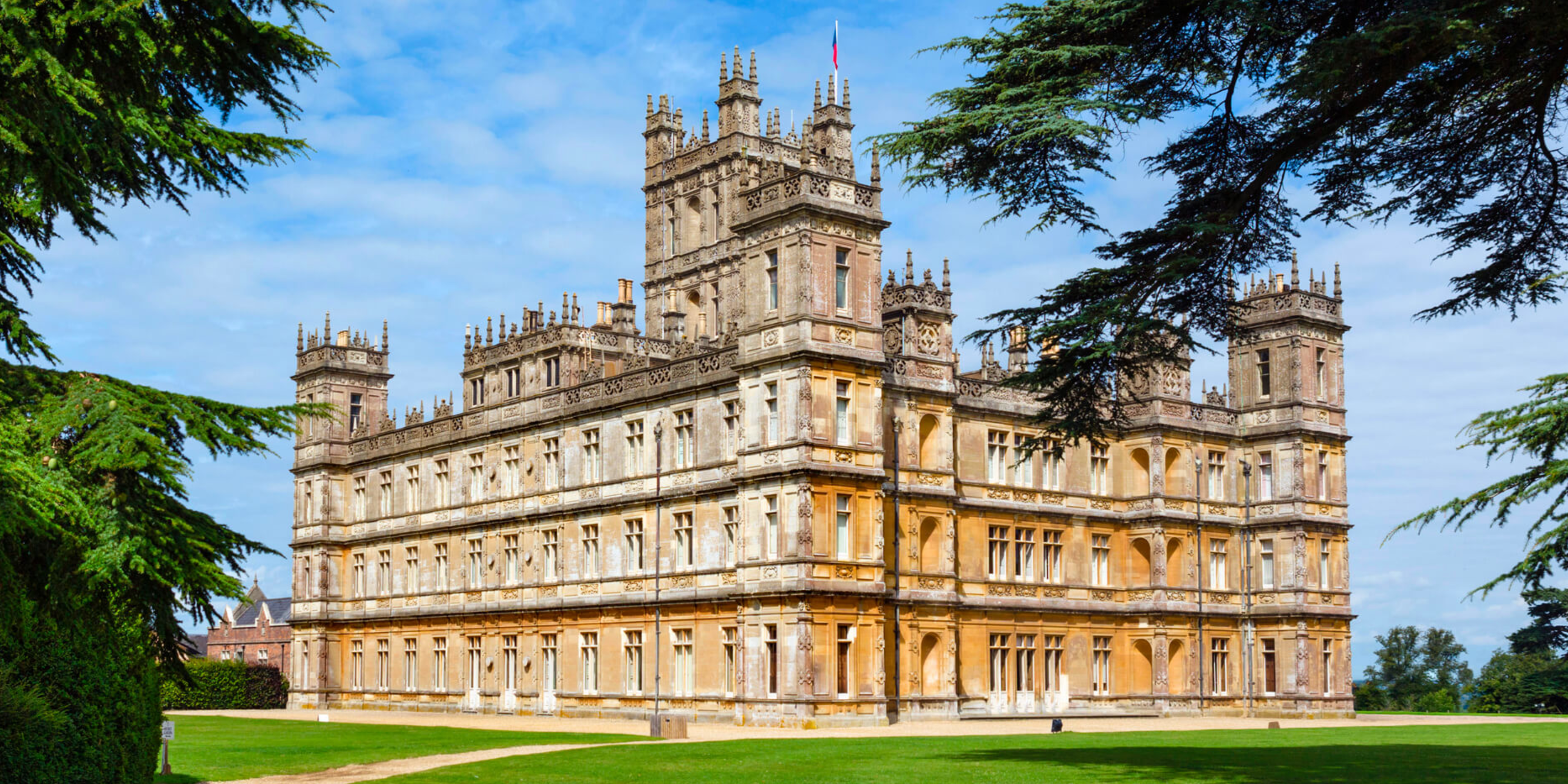
In many ways, the popular historical drama Downton Abbey reflected the sentiments of much of its audience. Aside from its iconic setting and early 20th century charm, the show’s appeal lay in its many characters, who were longing to hold onto to something they couldn’t protect from the changing times. The fictional world Downton Abbey inhabited reflected a period of time that was both extraordinary and fleeting. The way the main story narratives were built and the period within which the series dwelled were its formula for success, but this also guaranteed that it couldn’t last forever.
What Was Downton Abbey?
Julian Fellowes created the world of Downton Abbey, which focused on the fictional lives of the aristocratic Crawley family and their staff as they managed life on a sprawling Yorkshire estate from 1912 to 1926. The show was set in the middle of a cultural shift, when the last vestiges of “old world” British society, built upon the dual pillars of servitude and status, were on the edge of extinction – with many not knowing or not willing to admit it. From installing a telephone to slashing the number of footmen and maids, life was forcing change all around them.
The series premiered in the UK in late 2010 and the USA in early 2011. It ran for six seasons and even spawned a major motion picture. But after 52 episodes, Downton Abbey was brought to an end, despite many fans suggesting the show should go on.
Why Downton Abbey Ended With Season 6
Downton Abbey had more than a dozen principle characters. It allowed for a multitude of complex and intertwining storylines, some more fantastical than others, and also gave the series a great narrative starting point. With so many people involved on-screen, being able to unspool their complex individual stories over six seasons, and to pull them all together into a cohesive narrative that served both the show’s legacy and its characters, was a very difficult creative task. But it managed to do so brilliantly.
Since Fellowes was the main series writer, he was able to weave the stories into a satisfying conclusion, without leaving huge plot holes or feeling too rushed. With that in mind, it made more sense to leave the series as it was rather than force a Season 7 for the sake of popularity. Fellowes had long stated his desire to leave while the show was on top. The last season made it possible, while still setting up a well received movie that was released only a few years later.
Furthermore, the series depicted life during the swan-song era of large British estates run by teams of low-wage staff, and modern reality was soon setting in. Rising costs from things like government taxes, staffing, repairs and technological modernization all helped slim-down life in many estates, like the fictional Downton Abbey. Austerity doesn’t offer the same exciting level of escapist fantasy, so this further drove Downton Abbey toward its natural conclusion. Moreover, the heart and soul of the estate, and its cast, was ready to move on from the show.
Why Maggie Smith Wanted to Leave Downton Abbey
The spectacular Dame Maggie Smith, who played the Dowager Countess of Grantham, Violet Crawley, was done. After a lifetime in entertainment, her award-winning appearance in one of the most popular series of its kind brought a new level of attention that she was not accustomed to, despite her iconic run in the Harry Potter series. Eventually, the toll of that fame, and the rigors of TV production for a recent cancer survivor now in their early 80s, reached its limit.
Although other main characters came and went (including some who joined other big series like Game of Thrones and Legion), the idea of doing Downton Abbey without Maggie Smith just didn’t fit for anyone. All signs pointed to ending it after Season 6. Doing so allowed the series to enjoy a continuation on the big screen in 2019. It also freed up Fellowes to pursue new projects for HBO. Fortunately, fans should expect to see more of the Crawley family in another movie slated for 2022. So at least for now, time is on Downton Abbey‘s side.
About The Author