WARNING: The following contains spoilers for The Falcon and the Winter Soldier Episode 2, “The Star Spangled Man,” now streaming on Disney+.
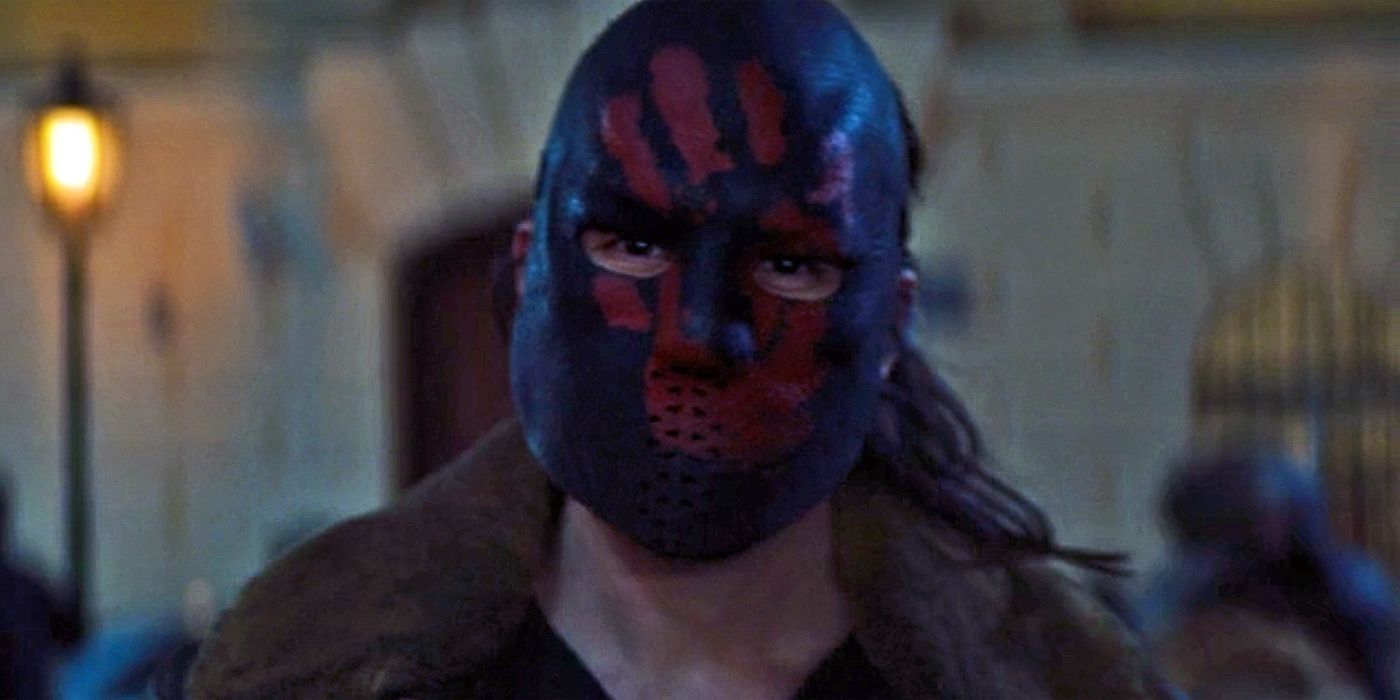
Every story needs a villain, but in The Falcon and the Winter Soldier, that villain is not quite so simple as to be pinned down to any one person. It is the world that is the antagonist in the new series set in the Marvel Cinematic Universe, and as society reels from the aftermath of the events that shook the MCU, it produces groups like the Flag-Smashers who further upset the balance. Though the reasons for their origins may be tied in with the fantastical event known as the Blip, however, the real motivations behind the extremist organization are both more realistic and sympathetic than they may have first appeared.
Click the button below to start this article in quick view.
In the debut episode of the series, the Flag-Smashers’ motivation was summarized as saying that they wanted to return the world back to the state it was in before the Blip. Between the events of Avengers: Infinity War and Avengers: Endgame, the population of the world was reduced by half after Thanos’ infamous snap, and the disruption caused by the return of the missing half of the population after five years wrecked many aspects of civilian life from top to bottom.
Falcon and the Winter Soldier delves into many of those facets which can range from personal details of dating online after “half the fish in the sea came back” to the more serious and big picture consequences of the blow taken to the economy. Sam and his sister, for instance, are incapable of securing a loan due to the five year gap in his financial record, and in such tumultuous times, the bank cannot afford to take a tremendous risk. But the Flag-Smashers motivations saw more personal focus in the latest episode, where brief glimpses into their perspective humanized them and explained their position.
With government organizations and assistance programs forming to help the returned half of the population reintegrate into society, the Flag-Smashers feel they represent the neglected portion who never went missing in the first place. Forming the identity of an “other” out of those who returned, their mission is one which seeks to rebalance scales, which they feel are horribly out of whack. While they go about achieving those aims in extremist and unconscionable fashions, the narrative itself still takes time to create sympathy for them.
Their membership sincerely believes in their cause, many of them sacrifice themselves wholeheartedly for their beliefs and the look in their eyes as they discover the swelling support from their cause speaks to just how genuine their efforts are. The organization could’ve easily turned out to be cackling villains or power hungry thugs. In contrast, the Flag-Smashers are deeply committed to their cause, and it makes their loss of life in the battles that ensue resonate with emotional value too often missing from the faceless henchmen of action media.
Their anarchist beliefs in a world without nations, borders or flags is one rooted in real-world philosophies. Not all anarchists are violent terrorists, and it does a credit to the Flag-Smashers’ realism that they are humanized in Falcon and the Winter Soldier. They could have been radicals lacking any true personality or tangible belief system apart from the Blip-oriented politics of their fantasy setting in the MCU, but instead, the series opts to ground the story in real world narratives that hold parallels to countless viewers’ day-to-day lives.
Directed by Kari Skogland, The Falcon and the Winter Soldier stars Anthony Mackie, Sebastian Stan, Emily VanCamp, Wyatt Russell, Noah Mills, Carl Lumbly and Daniel Brühl. New episodes debut on Fridays on Disney+.
About The Author