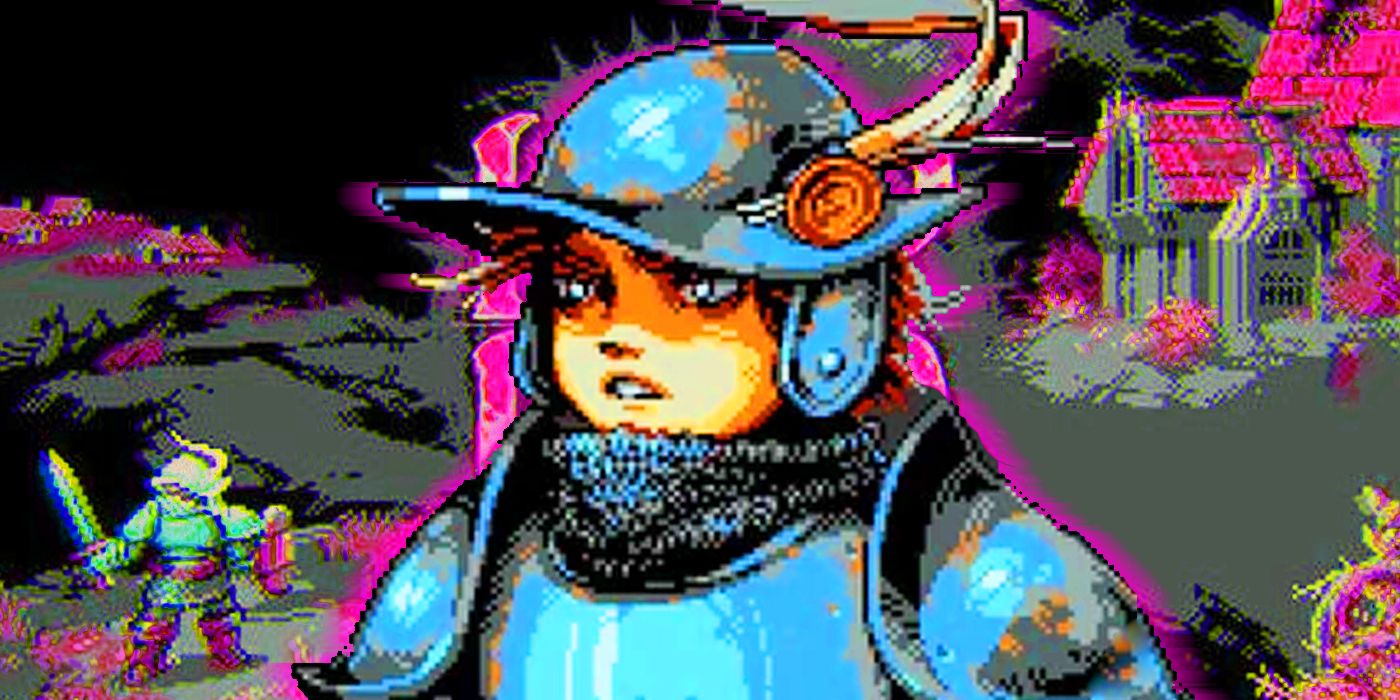
In Loop Hero, players have three unique classes to experience the game with, and each has its preferential builds and style. The title drops players into a broken world as the hero adventures to regain their memories and piece their universe back together.
Undertaking this task means traversing through randomly generated looping stages that the player can alter by placing cards they acquire along the way. To survive, you’ll have to be mindful of your character’s build, which is no easy task.
The Rogue
The Rogue class is unlocked after purchasing the Refuge in the Camp, which will become available after building the Field Kitchen. Rogues can equip two melee weapons, have a higher chance of dealing critical hits and have 5% Vampirism built-in. That said, the Rogue has an entirely different loot system from Loop Hero‘s other classes.
Click the button below to start this article in quick view.
Instead of loot appearing in the player’s inventory when defeating monsters, Rogues gain Trophies that’re stowed away in a bag. After returning to the Campfire, these are converted into items the character can equip during their next pass through the loop. Essentially, when starting a Rogue run, you won’t have access to any gear until you’ve started defeating monsters and make it back to the Campfire. Knowing that worn equipment is destroyed when swapped for a new option, planning a build and sticking with it is the key to survival, as changes made mid-loop can have catastrophic effects. Luckily, Rogues can still gain new gear from Treasury tiles without visiting the Campfire first.
Stat Priorities
For stats, Rogues don’t have much focus on Defense or Regen. Instead, players will want to focus on Critical Chance, Critical Damage, Evasion and Vampirism. Evasion will ensure the Rogue avoids as many incoming attacks as possible, while Critical Chance, Critical Damage and Vampirism will synergize together very well to pump out massive damage and heal for a percentage of damage done. With big crits, the healing from Vampirism can be quite substantial.
Attack Speed is also a stat worth some attention. If players get it high enough, the Rogue can get off one — or maybe even two — attacks before the enemy has a chance to hit. There are plenty of situations where that’ll eliminate the foe before they can land any damage. A stat that might seem appealing is Counter, but it’s the opposite of what the Rogue should shoot for. Counter allows for a chance to attack when hit; however, any Rogue worth their salt should be doing everything in their ability to avoid being hit. Stacking this means actively working against the important Evasion stat.
Building Success
Things can get overwhelming for a Rogue quicker than with some of the other classes in Loop Hero. For this reason, it’s not a bad idea to operate with a smaller deck. Instead of trying to work every great card and combination into a run, focus on a few important picks. Arsenal (once unlocked) offers Rogues an Amulet for their equipment that’ll add Magic HP. Magic HP is essentially a second health bar that isn’t affected by negative effects from terrain features like Deserts or Sand Dunes.
Sand Dunes/Deserts are great cards to include in a Rogue deck. They’ll decrease the HP of anything (including yourself) and make it that much easier to carve through enemies. Other than those, Spider Cocoons are great for grinding out a large number of Trophies in each run. The more Trophies returned to the Campfire, the better the rewards, and Spider Cocoons offer plenty of easy enemies to take down.
There are a few picks that make life much easier as a Rogue when it comes to traits. Picky will make Trophies count for more and increase the quality of gear obtained each Campfire visit. Old Scars will increase Hp based on the number of Trophies obtained during a run, so if possible, choose this one as soon as it appears.
While there are certainly priorities and recommendations for each class in Loop Hero, there are multiple ways to excel in the title. Above all else, players should look for a build that suits them and is fun to play. Experimentation goes a long way.
About The Author