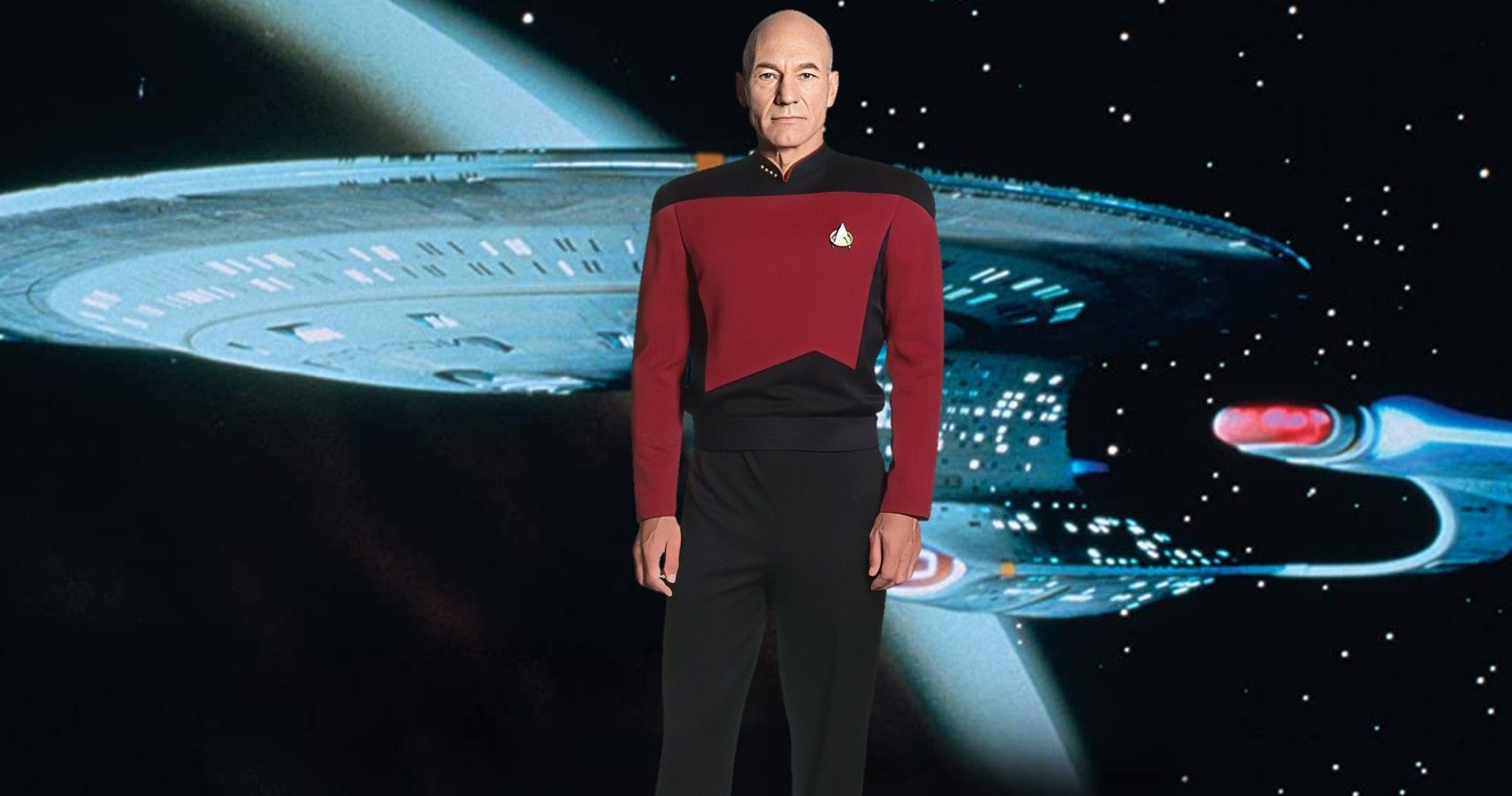
Star Trek: The Next Generation hit airwaves in 1987, shaping the landscape of science fiction for an all-new era. Building on the success of the original series, Next Generation would bring in a fresh cast of characters. To help build its new worlds and new civilizations, Paramount coaxed creator Gene Roddenberry back into taking the helm. The guide that Roddenberry produced for the series’ writers and directors shaped the early seasons of the show, and it included some strange dictums. One of the most unusual, yet crucial, was his insistence on no stories about Vulcans.
The edict against Vulcans is handed down on Page 11 of the writer’s guide, in a section discussing what Roddenberry believed wouldn’t work in the context of the new Star Trek. The context makes a strong case for his exclusion. As Gene writes, “We are determined not to copy ourselves and believe there must be other interesting aliens in a galaxy filled with billions of stars and planets.”
Though the lack of stories about Vulcans feels controversial, considering the decades-long impact that Spock had on pop culture, it may have been key to strengthening those early seasons. With Gene’s command to cast a wider net for new societies to explore, the pilot episode, “Encounter at Farpoint,” set the stage for two new races that became fan-favorites for decades to come — the Q Continuum and the Ferengi.
With a Betazoid empath, a peaceful Klingon security officer and an android in the main cast, the presence of a Vulcan on board the vessel in any regular capacity could have drawn attention away from the new issues these and other alien races were set to explore. But at the same time, writers know that any style guide is exactly that, a guide. Sooner or later, the rules will begin to soften.
A handful of background Vulcans would occasionally make appearances, notably Lieutenant Selar, who would appear in The Next Generation’s Season 2 episode “The Schizoid Man” and go on to have a robust place in the spin-off novels. But it wouldn’t be until late in the third season that Roddenberry’s rule against Vulcan stories would finally be broken. “Sarek,” written by guest author Peter S. Beagle, brought Spock’s diplomat father onboard the Enterprise, only to see the aging legend struggle with the hardest burden of any Vulcan. Struck by a rare illness, Sarek’s emotions were out of control, telepathically influencing the rest of the crew and putting a delicate negotiation at risk.
Sarek would return in the Season 5 two-part storyline “Unification,” when a tragic illness takes his life. Spock would also appear for the first time outside of the original series and its films. With a taut story about Spock trying to build bridges with Vulcan’s long-time enemies, the Romulans, it opens with a soft farewell to Sarek, whose actor, Mark Lenard, would pass away only a few years after.
Though almost every one of Roddenberry’s writer’s guidelines would eventually be broken, by waiting for the series to find its own path, the impact of choosing when to break those rules made the stories better. The return of Sarek and Spock in The Next Generation made for some of the strongest episodes of the series. Despite the emotional impact of these episodes, Vulcans still wouldn’t return to the foreground until Star Trek: Voyager made Tuvok (Tim Russ) an integral part of its crew.
Click the button below to start this article in quick view.
About The Author
