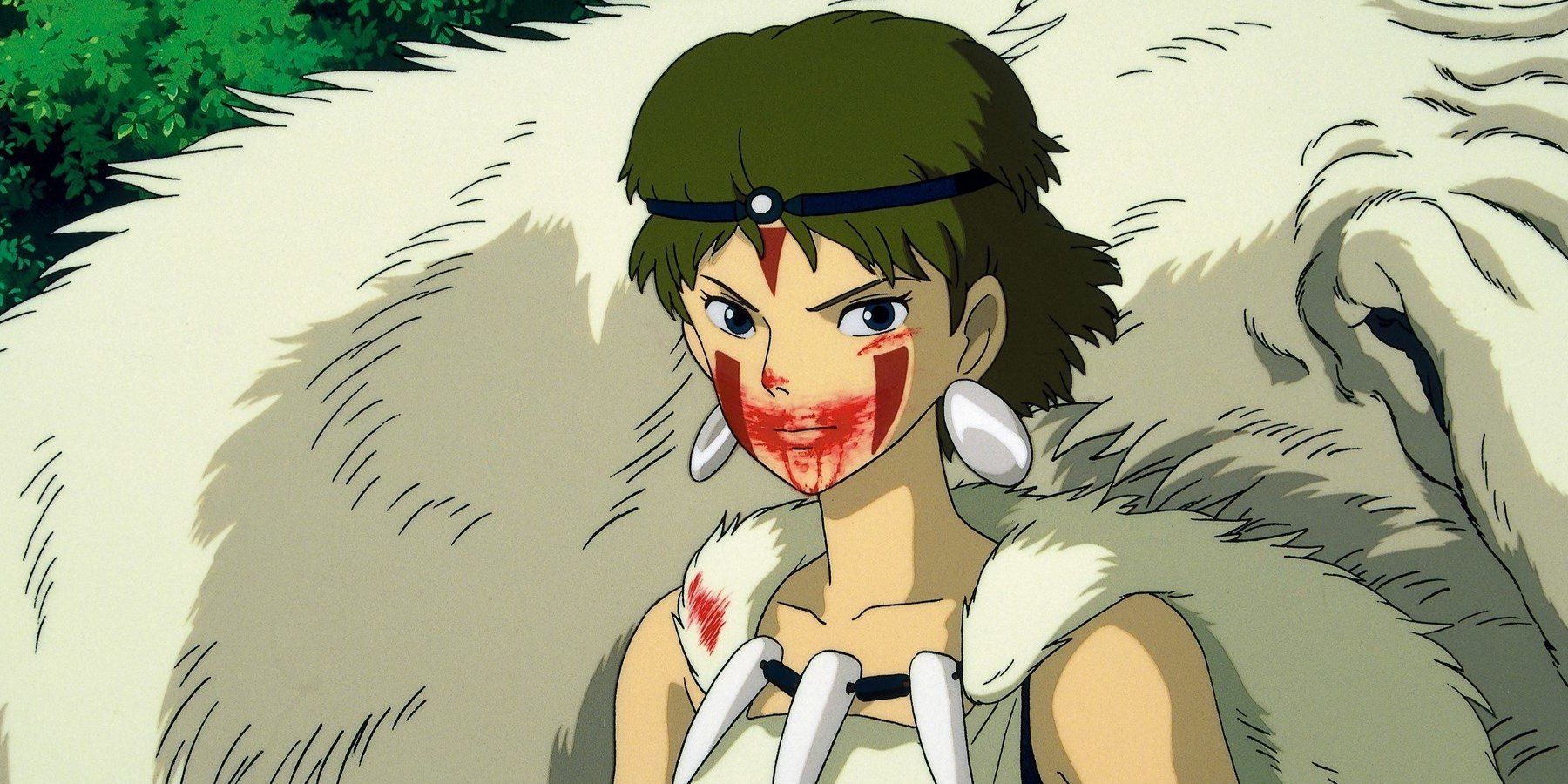
Sandman and American Gods writer Neil Gaiman may be known primarily for his contributions to comic books, prose novels and television, but one of the author’s little-known contributions is the English adaption of Studio Ghibli’s Princess Mononoke.
Gaiman wrote the script of the film when it was released in select US theaters in 1999 by Miramax, though his substantial contribution went unknown by many because his name was dropped from promotional materials. In a recent tweet, Gaiman explained that his name “was taken off the poster by Miramax execs who were told by Ghibli that there were too many names on the poster. So they kept theirs on and took mine off. Which wasn’t quite what Ghibli had intended.”
It’s true. (My name was taken off the poster by Miramax execs who were told by Ghibli that there were too many names on the poster. So they kept theirs on and took mine off. Which wasn’t quite what Ghibli had intended.) https://t.co/VGEyIyyaw8
— Neil Gaiman (@neilhimself) April 4, 2022
Princess Mononoke‘s Miramax posters all featured the prominent actors who dubbed the voices in the film, including Billy Crudup, who portrayed central protagonist Ashitaka, Claire Danes, who played the titular Princess Mononoke, and Gillian Anderson, who performed the role of Mono, Mononoke’s surrogate mother and a massive, 300-year-old wolf god.
While the posters do acknowledge that Princess Mononoke‘s original screenplay and direction were done by Hayao Miyazaki and the music performed by Joe Hisaishi — both of whom have become well-known in animation circles since 1999 — Gaiman’s name is nowhere to be found. However, Miramax co-founder and convicted sex offender Harvey Weinstein is listed on the posters as an executive producer.
Gaiman has been vocal about the lack of credit he received for the film in the past. In 2019, he tweeted that his role on Princess Mononoke was his “biggest secret,” and said that “the execs looked at all the names, determined that theirs would remain, and realized that mine was contractually expendable.”
My biggest secret. (Studio Ghibli asked for some of the Miramax execs to be removed from the poster and credits. The execs looked at all the names, determined that theirs would remain, and realised that mine was contractually expendable.) https://t.co/fm7BRFpp1W
— Neil Gaiman (@neilhimself) August 12, 2019
Apart from cutting Gaiman’s name from the film’s promotional material, Weinstein went to great lengths to alter the film as a whole, according to Steve Alpert, the former head of Studio Ghibli’s international division. Noted in Alpert’s book, Sharing a House with the Never-Ending Man: 15 Years at Studio Ghibli, Weinstein insisted that Miyazaki cut the length of Princess Mononoke significantly, a request that the filmmaker vehemently refused.
Princess Mononoke is a historical fantasy epic focusing on Ashitaka and Mononoke’s relationship as well as an ongoing struggle between forest gods and humanity. Considered by many to be one of Miyazaki and Studio Ghibli’s finest projects, Princess Mononoke was Japan’s highest-grossing film in 1997. While it received near-universal praise from critics, the movie’s limited theatrical release in the United States was far less successful, though it sold well when released on VHS and DVD.
About The Author
