With each new sourcebook released, strange and interesting creatures are added to the ever-expanding world of Dungeons & Dragons. There is an abundance of creatures that are balanced to be a perfect challenge for adventurers at any level. Even creatures with the lowest Challenge Rating have unique abilities that can create memorable encounters, and it’s not uncommon for Dungeon Masters to become attached to a particular monster for one reason or another.
At a certain point, though, DMs will often retire low CR monsters and enemies as their adventuring party grows in level. These creatures stop being challenging because party members can wipe them out in a single turn without difficulty, making encounters against them more tedious than fun. Saying goodbye to these enemies can be hard, but low CR enemies don’t have to disappear from the campaign entirely. With some creativity, creatures can still pose a threat to a high level party.
Add Even More Enemies to Combat
The easiest way to make low CR enemies dangerous to even a high-level party is to simply increase their numbers. Being swarmed by monsters, regardless of their low health or minor damage output, can be threatening. The main issue with this is that Dungeons & Dragons is a turn-based game. This means that adding more enemies slows down gameplay a lot since each creature has to take an individual turn. Luckily, there is a solution.
The Dungeon Master’s Guide features is an optional rule for handling mobs of enemies. Instead of rolling for each individual creature, have the average number of attackers automatically hit the target. This number can be found on the Mob Attack table that is provided. The target will then take the average amount of damage from each of the attackers.
Not only does this system speed up gameplay, but it also allows players to fight small armies of monsters. This can make players feel incredibly powerful as they take out scores of enemies at a time. It can also allow some monsters to shine, as they might work better when fighting in a large group. The low CR creatures still get to be a challenge, and players get to have a bombastic combat encounter.
Give Low CR Enemies Better Magic and Equipment
The world of Dungeons & Dragons is a fantastical realm with bizarre magic around every corner. Players often spend hours hunting for just the right piece of equipment to make themselves just a little bit stronger. Entire campaigns can be designed around searching for a powerful relic that will grant its wielder incredible powers. Monsters and other enemy creatures are allowed to use these items as well.
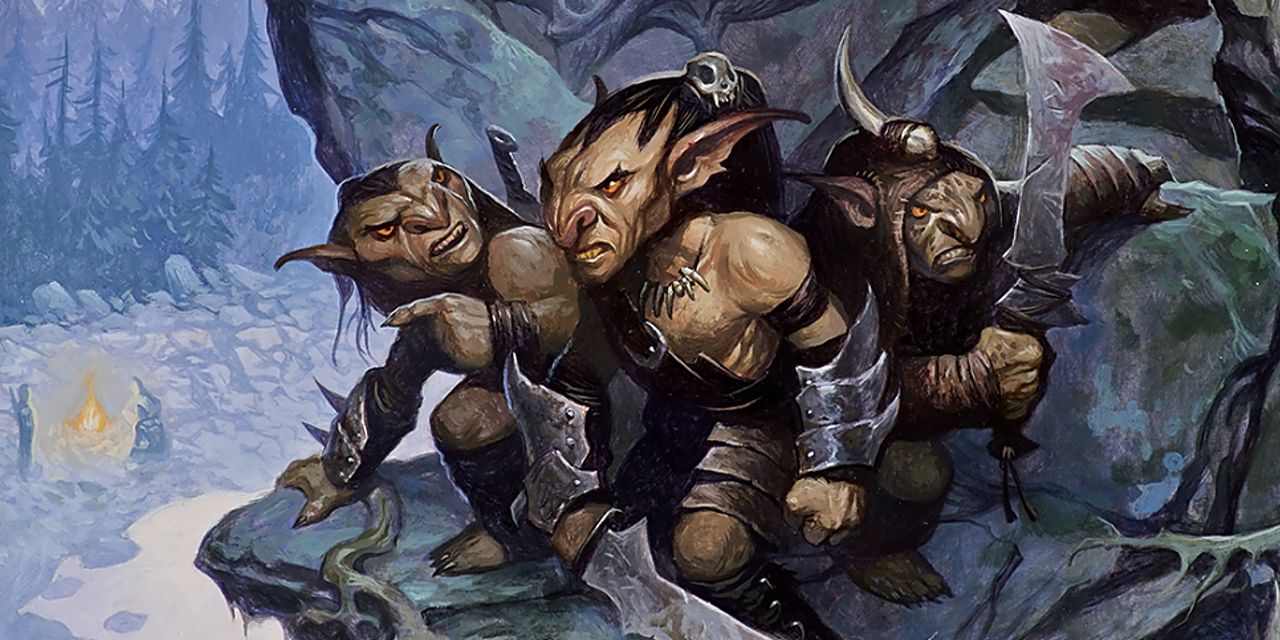
The standard stat block that comes with low CR monsters can be changed in any way that the Dungeon Master wishes. If the stat block says that the assassin wears leather armor but that makes their armor class too low, give them magical plate armor that doesn’t make noise. If a trio of goblins doesn’t do enough damage with their short bows and daggers, then give them magic wands that cast Fireball. Improved equipment and magic items can increase a monster’s survivability and damage.
Giving enemies better equipment can radically change what would be a standard encounter. It can surprise veteran players who are familiar with those creatures. This method can also be a great way to introduce magic items to a party that doesn’t have the funds to buy them from a shop by having them earn powerful new weapons and more through battle.
Employ Strategy And Tactics Into The D&D Campaign
When players are planning on facing a creature that is much more powerful than themselves, they will often come up with a battle strategy. For days, they will research any weaknesses the creature may have, what abilities they possess, and where it lives. They’ll also take measures to only attack the creature when it’s at its most vulnerable. Low CR enemies can employ these same tactics.
Enemies don’t always have to charge into the middle of a group and attack the nearest person. If an enemy has a high enough intelligence, they’ll understand that surprise attacks have the best chance of success. Diversions and distractions can also be a great way of splitting up the party so the creature doesn’t get surrounded. If the fight takes place in an area that the creature is familiar with, they might have set traps ahead of time.
An enemy that knows your weaknesses and how you fight can be a dangerous situation, even if they can’t do a lot of damage on their own. A group of bandits that want something that the party has could spend weeks tracking them and studying everything about them. After all of that, these bandits would know that the Wizard is the squishiest and never get within the melee range of the Barbarian. This information can be exploited to do the greatest amount of harm. With the right strategy, a group of five bandits with a CR 1/8 can ruin a level 10 party’s day.
About The Author
