For many, Wizards of the Coast’s Dungeons & Dragons Fifth Edition is their first foray into the world of tabletop role-playing games. The idea of “getting into character” is often challenging for new players, and it can take a significant number of sessions or characters before they feel comfortable acting out their character’s mannerisms about the table.
The same goes for fledgling Dungeon Masters, who have to portray many characters over the course of a campaign. A DM playing every character the same way tends to take the players out of the story and can lead to them disengaging with it in the long term. To keep a campaign afloat for months or years at a time, a DM needs to make their setting feel grounded, and part of that comes from presenting the party with engaging role-play encounters.
Present the Party With a Moral Conundrum
As a Dungeon Master, a great way to get players to buy into a particular role-playing encounter is to present them with a simple moral conundrum. Maybe the two factions of warring dwarves are causing untold turmoil to the common folk, and the dwarves that are amenable to their party are actually so rooted in tradition that they’re prolonging this war. On the other hand, maybe the faction of dwarves working against the party’s interests is the only hope of putting a stop to the war so that more civilians aren’t hurt.
Complex situations like this put the party in the position of deciding what’s right for them versus what’s right for everyone else. It’ll spark debate, discussion and really help players think about how their character would respond to the situation. Just be careful to make sure the party doesn’t implode over it.
Give NPCs Their Own Quirks
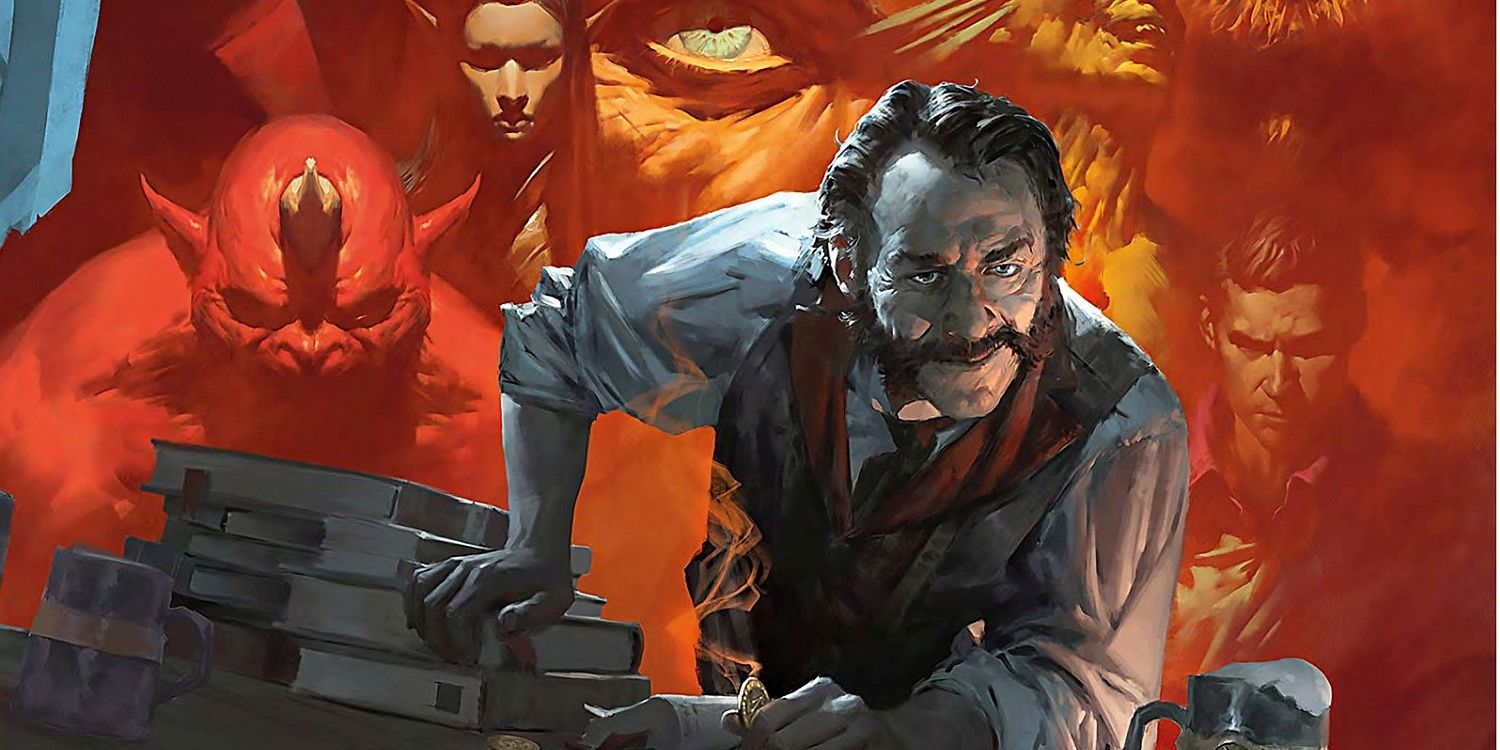
Players love (and sometimes latch onto) memorable characters. Maybe the tavern’s surly barkeep the party frequents has a scar running under one eye, or the king’s shifty spymaster clears his throat a couple times before speaking. Small, memorable quirks like these help make characters distinct in players’ minds, which is essential when there are a lot of NPCs to keep track of. The more memorable a character is, the more likely the party is to care when something happens to them — good or bad — or help them notice when something is wrong. Small, seemingly insignificant traits like these really ground the party in the world and make it feel alive.
Your NPCs Should Want Something
Not a single person alive doesn’t want for something, and the same should go for the inhabitants of any game world. An NPC shouldn’t just be a mouthpiece for exposition or moving the plot along. Have them possess their own objectives, even if it’s something minor and relatively innocuous. For example, a barkeep likely wants their business to prosper and for no trouble to take place in their tavern, which will effect how they interact with the party and how they may respond when a fight breaks out.
Of course, a campaign’s big bad also needs motivation. Perhaps they want to bring a loved one back from the dead or conquer a nation they feel has done them an injustice. No matter the scale, everyone wants something, and giving everyone from a minor NPC to the BBEG an objective makes them feel like real people.
Incorporate Your Players’ Backstories
An effective way to keep a particular player invested in a social encounter is to weave in an element from their backstory. Maybe the NPC the party has to approach is a noble from one of the houses that betrayed one of the party members. Maybe a quest giver mentions of a roving group of bandits attacking farming settlements that bears resemblance to the people who burned down another player’s village. Incorporating backstory information keeps players invested, helps them feel like they exist in the world and raises the stakes for that individual, setting the stage for great role-playing interactions.
Get Into Character
Any Dungeon Master looking to create engaging role-playing encounters needs to prepare beforehand. If the DM doesn’t actively get into character, then their players will likely feel as if they’re just talking to the DM, not an NPC. Not only can this make the game feel less immersive, but it can also discourage players from getting into character themselves. Of course, not every DM is going to be able to act and do character voices the way Critical Role‘s Matthew Mercer does, but the more effort one puts in, the more comfortable everyone at the table will feel trying new things.
Understanding the major NPCs that are involved in each session and making them distinct will go a long way in making the campaign’s world and stakes feel real. Making compelling characters — whether their allies, villains or something in between — creates the conditions necessary for good role-playing encounters, which are what really help D&D stand out as an interactive group experience.
About The Author
