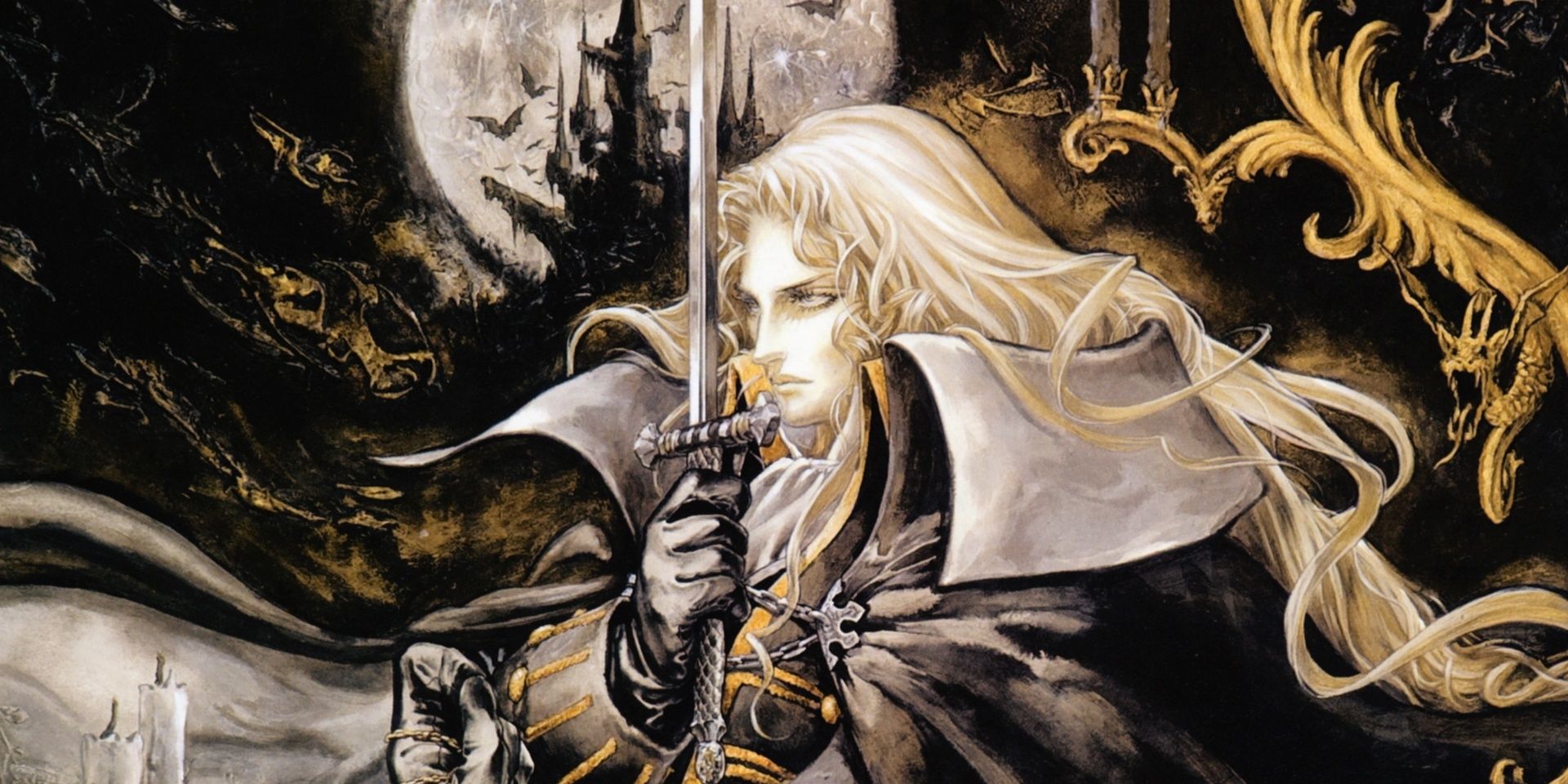
Castlevania: Symphony of the Night is a triumph of gaming, with a near-perfect balance of locations to explore, items to collect and bosses to defeat. Widely considered one of the best games of all time, Symphony helped establish the Metroidvania sub-genre, which is still going strong over 20 years later. In the game, players take control of the vampire Alucard and must unearth the dark secrets of Castlevania and prevent the return of Dracula himself.
That’s all well and good, but for many gamers, life often gets in the way of the hobby. Whether it’s because of school, work or family, not everyone has the time to sit down and play games that demand a significant grind. On the flip-side, many players want to get their money’s worth from a new purchase, so overall playtime is a delicate balancing act. As a Metroidvania, Symphony’s solution to this problem was to have an easily digestible story playthrough that could be extended by unearthing the many secrets hidden throughout Dracula’s castle.
Beating the Story
If your goal is to simply play through the story from start to finish, Alucard’s adventure is relatively short. In a world where modern single-player games boast average playtimes of 20 to 30 hours, Symphony of the Night takes most players about eight hours. More experienced players can blitz through the game in even less time, with many of the fastest completion times hovering around four hours.
Many of the shorter playthroughs will end after the fight with Richter Belmont, but the story has much more to offer. Symphony has several different endings, and unlocking the “good” ending opens up a whole new section of the game. This extends a story playthrough to around 12 hours, with a climactic confrontation with Dracula, the true final boss.
Completing Everything
Symphony of the Night wouldn’t be much of a Metroidvania if it didn’t have plenty of collectibles for completionists to sink their teeth into. Hidden throughout Dracula’s castle are dozens of weapons, pieces of armor, magic rings, spells and other miscellaneous items for Alucard to add to his inventory. These optional pieces of loot often require players to backtrack to sections of the map that they have already visited and use newly obtained power-ups to explore previously inaccessible areas. Doing so significantly pads out the playtime, with completionist runs taking around 16 hours. Such dedication is a reward in itself, but unlocking over 196 percent of the map also treats players to the best possible ending.
While the playtime of an individual run is important, what makes Metroidvanias so great is their almost infinite replayability. Whether players choose to speedrun for the fastest completion time, sequence break to mix up progression, or play as Richter Belmont instead of Alucard, Symphony has plenty to offer even after the credits roll. Such flexibility is part of what makes Symphony of the Night such a pillar of its genre, as it has something to offer both the time-constrained casual gamer and the hardcore completionist.
About The Author
