Avatar: The Last Airbender is one of the most popular cartoon series ever made. One of the reasons for this is due to how much fans liked the characters. When its sequel, The Legend of Korra, came out, a lot of fans also enjoyed it, but many didn’t like the characters as much.
While some of the characters grew on fans over time, others didn’t and became even worse than they were when they were first introduced.
10 BECAME MORE LIKABLE: Bolin Became More Serious
In the first half of the series, Bolin was nothing more than an optimistic, humorous sidekick who rarely took things seriously. However, he started to mature in Book Three, looking out for other people and forming more meaningful relationships with those around him. He even helped Kuvira form the Earth Empire, thinking that he was helping people out, before learning that things weren’t as they seemed and changing sides to do what was right. By the end of the series, Bolin wasn’t immature or selfish like he was in the beginning.
9 DIDN’T BECOME MORE LIKABLE: Unalaq Betrayed His Family
When Unalaq was first introduced, he seemed like he would help Korra become the best Avatar she could be. However, he was secretly only using her so he could join Vaatu in becoming a Dark Avatar. Not only did he deceive her, he had also betrayed his brother years prior by making him look responsible for endangering the Northern Water Tribe. Rather than being a great teacher, he simply turned out to be one of the least likable antagonists in the entire franchise.
8 BECAME MORE LIKABLE: Tarrlok Killed His Brother And Died A Hero
Tarrlok was a member of the United Republic Council who could bloodbend. After he hurt Korra, he seemed to be an unforgivable antagonist. However, once he revealed that he was Yakone’s son, who was forced become a bloodbender, fans were able to understand him more.
Years after his brother, Noatak, left Tarrlok behind and started a new life as Amon, he took his brother’s bending away. At the end of Book One, Tarrlok redeemed himself by sacrificing his life in order to kill Noatak, bringing a great end to their arcs.
7 DIDN’T BECOME MORE LIKABLE: Meelo Became Very Immature
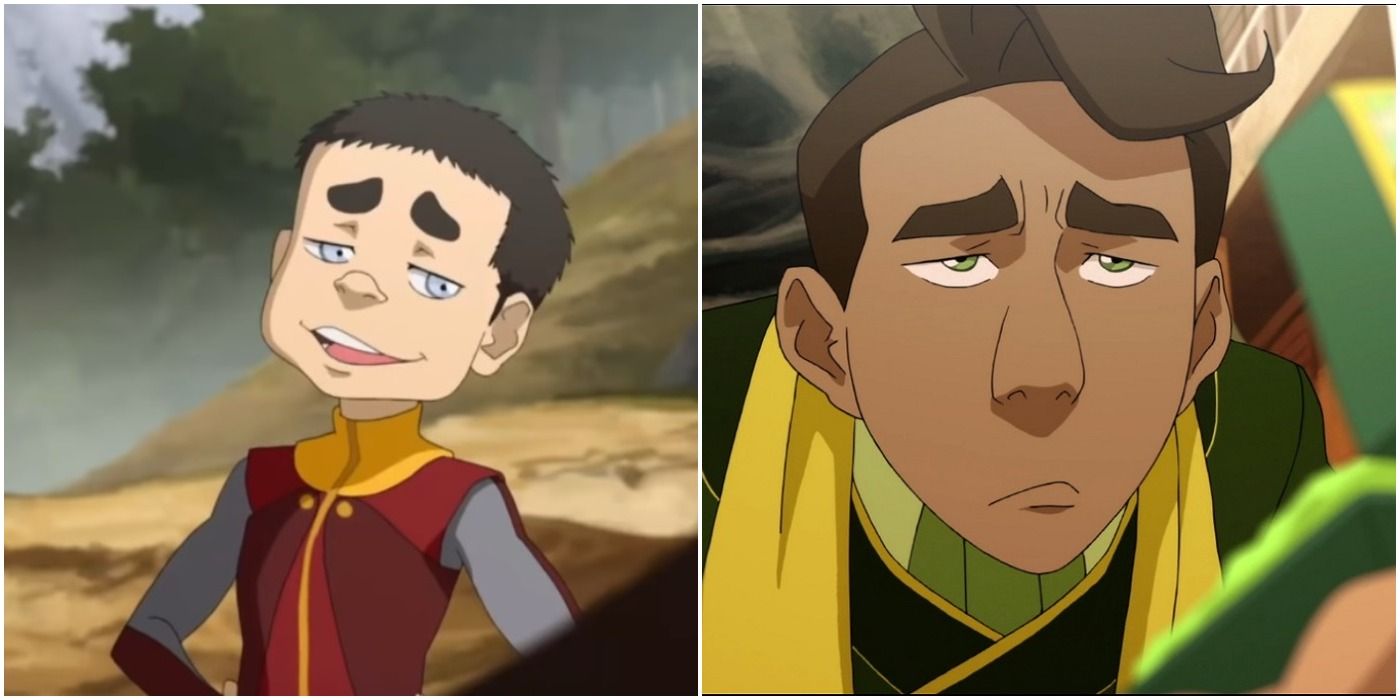
Meelo was an incredibly funny and kind child at the beginning of the series. He cared a lot about his family and wanted to do the right thing. However, in Book Four, a few years had passed and he had completely changed. He grew a big ego and was disrespectful to those around him, including his family. He also became sexist and demanding, turning him into one of the series’ worst characters.
6 BECAME MORE LIKABLE: Varrick Made Things Right With The People He Hurt
When Varrick was introduced, he seemed like he would help Team Avatar a lot. However, the only reason he did anything for them was so he could obtain more money and power. He did this to a lot of people, using them however he needed to in order to get what he wanted. Similar to Bolin, Varrick changed a lot towards the end of the series when he began working with Kuvira, only to betray her when he felt like she was taking things too far. After that, he made things right with those around him, especially Zhu Li, the assistant he once mistreated but ended up falling in love with and marrying.
5 DIDN’T BECOME MORE LIKABLE: Hiroshi Worked With The Equalists
While Hiroshi seemed to support Korra and her friends at the beginning of the series, especially due to his daughter, Asami, getting close to them, he turned out to be an Equalist who was actually loyal to Amon. Once his true identity was revealed, Asami felt betrayed by her father, leading the two of them to fight.
After being imprisoned for a few years, Hiroshi ended up regretting his actions and tried to make things right with Asami as well as her friends as they tried to save Republic City from Kuvira. Though he sacrificed his life to help them, he still did many terrible things in Book One, making it hard to like him again.
4 BECAME MORE LIKABLE: Lin Loosened Up
Lin didn’t get along with the other protagonists at the beginning of the series. She was very serious and seemed like she couldn’t care less about the other heroes. However, as time passed, she became very close to them, especially when they learned more about her. Lin’s past and the fact that she would do anything to protect those she cared about, even if it meant sacrificing herself, made her one of the most likable characters in the series.
3 DIDN’T BECOME MORE LIKABLE: Wan’s Story Ruined Some Fans’ Favorite Mystery
One of fans’ favorite mysteries in Avatar: The Last Airbender‘s universe was how the Avatar came into existence. Throughout the entire first series and the comics that followed, little was known about the origins of the Avatar. Then, everything changed when The Legend of Korra‘s Book Two released. It was revealed that a boy named Wan became the first Avatar by obtaining the four elements and becoming one with Raava, the Spirit of Light. Knowing this caused fans who didn’t want the secrets of the Avatar to be revealed to wish that Wan was never introduced.
2 BECAME MORE LIKABLE: Prince Wu Proved That He Cared About His People
Prince Wu was a character who was introduced at the end of The Legend of Korra, only being in Book Four. Though he was very unlikable at first, he managed to turn things around quickly. He originally seemed to be obnoxious, annoying, and full of himself. He also constantly relied on others, not being suitable to be a king. However, he ended up helping his people when they were attacked and decided to step down as their leader so they could choose their own rulers.
1 DIDN’T BECOME MORE LIKABLE: Aang Wasn’t A Good Father
While Aang was one of the most likable characters in the original series, his likability was ruined in the sequel. As a father, Aang neglected Bumi and Kya since they weren’t airbenders like Tenzin was, who he spent a lot of time with. This caused conflict between his children for years, even after he passed away. Due to how much fans liked his children, it was upsetting to learn that Aang had gone from someone who cared about his loved ones so much to being a disappointing father.
About The Author
