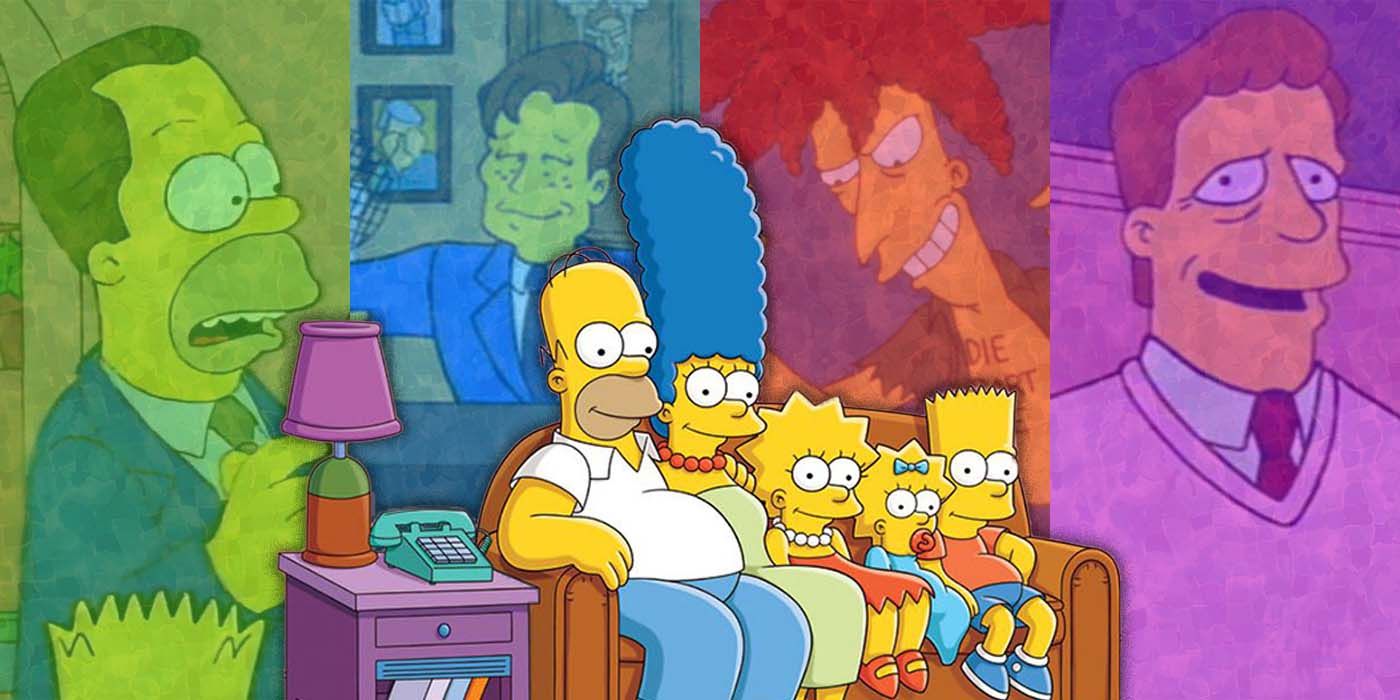
There is a real chance that The Simpsons is the biggest phenomenon in the history of scripted television. After more than three decades on the air, it has become the longest-running American animated series of all time, the longest-running American sitcom of all time, and the longest-running American scripted primetime television series of all time. And there are still more episodes coming.
Long-time fans have been complaining for years that the show just isn’t as good as it used to be. That’s a little unfair as there have been some hilarious episodes in recent seasons. That being said, there are a few things from the Golden Age fans are right to miss.
10 The Late, Great Phil Hartman
There was a time not that long ago when Phil Hartman was one of the biggest rising stars in comedy. He had come out of SNL with a lot of positive hype, and for good reason. He was a hilarious person, exemplified by his work on shows like NewsRadio and The Simpsons.
Hartman was murdered in 1998, an incredible tragedy. After his death, key characters he voiced on The Simpsons like Troy McClure and Lionel Hutz were permanently retired. Obviously, the actor’s death was the worst part of this but the loss of these characters was detrimental to the series.
9 Plot & Character Over Zany Antics
A big part of what drew fans in to the series were unique storylines that hinged on genre-defining characters who were somehow original and caricatures of other people at the same time. Putting all of that together could not have been an easy feat, to say the least.
But a common complaint among fans who have been on board since day one is that the series now leans into zany antics too often over character and story. And that is definitely the case in some situations. At the same time, Homer was pretty zany in the old days, too.
8 It Hadn’t Become Repetitive, Yet
Possibly the most impressive feat that The Simpsons achieved was remaining fresh for as long as it did. There is some debate as to when the Golden Age ended. Some critics have argued it was Season 12, while others say it ended as early as Season 9.
Regardless, nine seasons of high-quality TV is unheard of, and twelve is borderline legendary. Now in Season 33, some plot points have gotten reused way too many times, like Homer getting a new job or the family going somewhere and causing problems. The Simpsons are going to Atlantis!
7 Conan O’Brien’s Days As A Writer
One of late-night TV’s biggest stars is Conan O’Brien, who recently retired from hosting a regular show to follow other pursuits. His unique brand of comedy and sketches put him on the map while hosting Late Night on NBC from 1993 to 2009.
Prior to that, he wrote for SNL from 1987 to 1991 and The Simpsons from 1991 to 1993. While he obviously wasn’t the only person in the writer’s room, he is credited as being responsible for absolute classics like “Marge vs. the Monorail” and “Homer Goes to College.”
6 Less Overt Celebrity Walk-Ons
Celebrity cameos have been a huge part of the series since the first season. Dustin Hoffman and Michael Jackson have notorious, uncredited cameos in the early days of the show. And some of the best celebrity cameos have been as recurring characters, such as Kelsey Grammer as the villainous Sideshow Bob.
But those cameos devolved into something a lot less interesting in more recent seasons. Producers will find ways to shoehorn random celebrities into an episode rather than them being necessary to the plot in the least. They tend to stick out like sore, unfunny thumbs.
5 It Had Something To Say
If there is one truth about the first ten seasons of The Simpsons that made it a draw, it’s the fact that the series had something to say. There was an ongoing commentary on the culture of the era that made it incredibly relevant.
That’s still true to an extent in the modern seasons. But it’s somehow less subtle than it was back in the day. And it’s also done this in a much less insightful way, which is something that has not escaped the notice of both fans and critics.
4 Way Less Shocking Twists
No one will ever suggest that the first ten or so seasons of the series didn’t have twists and turns. The real Seymor Skinner made his return in Season 9. Homer’s half-brother Herb made his debut in Season 2. But in those days, twists were few and far between.
As the seasons wore on, the plost twists became more frequent, more drastic, and a lot less sensible. The series has reached a point where every relatively major secondary character has gone through some sort of major twist at least once. Moe seems to go through them at least twice a season.
3 Alf Clausen As The Series Composer
A huge part of what makes The Simpsons tick is the music. Danny Elfman created the theme song for the series but it was Alf Clausen who scored a vast majority of the episodes. His tenure started in 1990 and ran all the way until 2017 when he was unceremoniously terminated.
Clausen created the audio identity of the series, developing music as iconic as the characters themselves. His replacements have done a perfectly fine job but it isn’t hard to argue that Alf Clausen’s run was far superior. The score is noticeably different since his departure.
2 Incisive Pop Culture Commentary
During the show’s peak seasons, The Simpsons crammed more pop culture references into one episode than a Douglas Coupland novel. Somehow, the writers and producers made it all work. And they always managed to do it in an interesting way.
The pop culture commentary has been dialed way down in recent years, and what is included is more overt, less insightful, and not as funny. It’s hard to imagine Homer referencing Scarface while guarding a mountain of sugar happening today.
1 It Was Less Cartoonish Back In The Day
As odd as it sounds, The Simpsons used to be a lot less cartoonish in its Golden Age. While it was zany and odd at times, the characters still felt like real people when watching the series.
These days, it definitely feels like watching a cartoon. That’s not necessarily a bad thing but going from what it was to what it is has been a tough transition for some fans. People can argue whether the show is good or bad now but it’s hard to argue against the idea that the overall vibe has changed dramatically.
About The Author