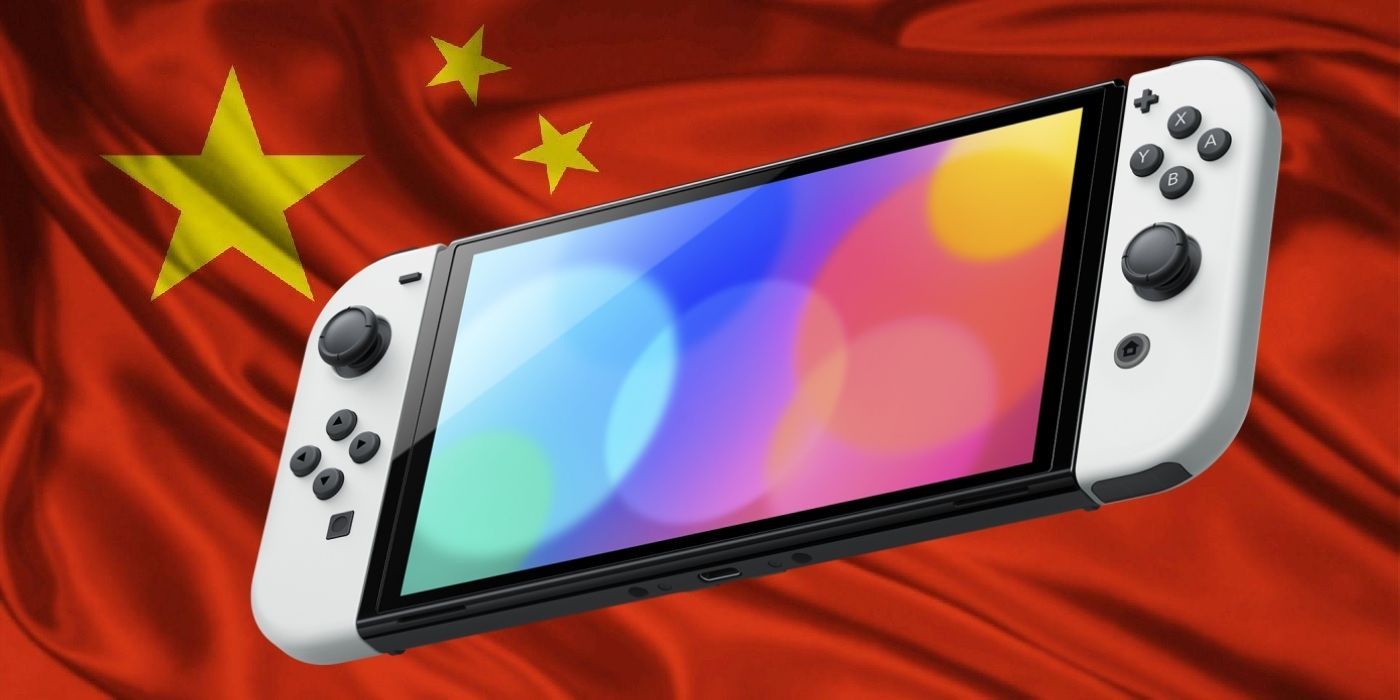
A change to the law in China has caused a backlash from Chinese teens following new regulations that will restrict the number of gaming hours permitted to children under 18 years old.
The regulation and subsequent outcry from young Chinese gamers was reported by Al Jazeera. The new law is set to limit the number of gaming hours to three hours per week for anyone younger than 18 years. Specifically, gaming services will only be made available to minors between 8:00 p.m. and 9:00 p.m. on Fridays and weekends, in addition to any public holidays. This change follows the pre-existing regulations introduced in 2019 that limited gaming hours to a mere 90 minutes per day before a 10:00 p.m. to 8:00 a.m. curfew.
Young gamers voiced their outrage online, decrying the regulation as unfair and inconsiderate of the modern gaming culture. One teen noted how the law could limit the Chinese e-sports scene. The youth wrote on the Chinese microblogging site Weibo, “This group of grandfathers and uncles who make these rules and regulations, have you ever played games? Do you understand that the best age for e-sports players is in their teens?”
It was also claimed that the ruling was hypocritical when compared to various other laws around minors. They wrote, “Sexual consent at 14, at 16 you can go out to work but you have to be 18 to play games. This is really a joke.”
The regulation was introduced due to the government’s consensus that gaming posed a risk of addiction. It was determined that gaming interfered with a teenager’s mental and physical well-being, as well as their studies. One state media outlet, The People’s Daily, referred to gaming as “spiritual opium.” Yet despite the announcement of the regulations, some have questioned how the government intends to enforce the law, as many have suggested simply using a parent’s login as an alternative.
So far the economic impact on the gaming industry has been minor. Companies such as Tencent Holdings, the gaming firm responsible for providing games such as PlayerUnknown’s Battlegrounds in China, did see a fall of roughly 3.6 percent in Tuesday trade. The relatively small ramifications at present are due to the fairly limited amount of revenue children actually contribute to the gaming industry. However, Mio Kato, an analyst who works for SmartKarma, did claim that the law would have future ramifications for the industry. He said, “The problem is that this move destroys the entire habit-forming nature of playing games at an early age.”
Source: Al Jazeera
About The Author