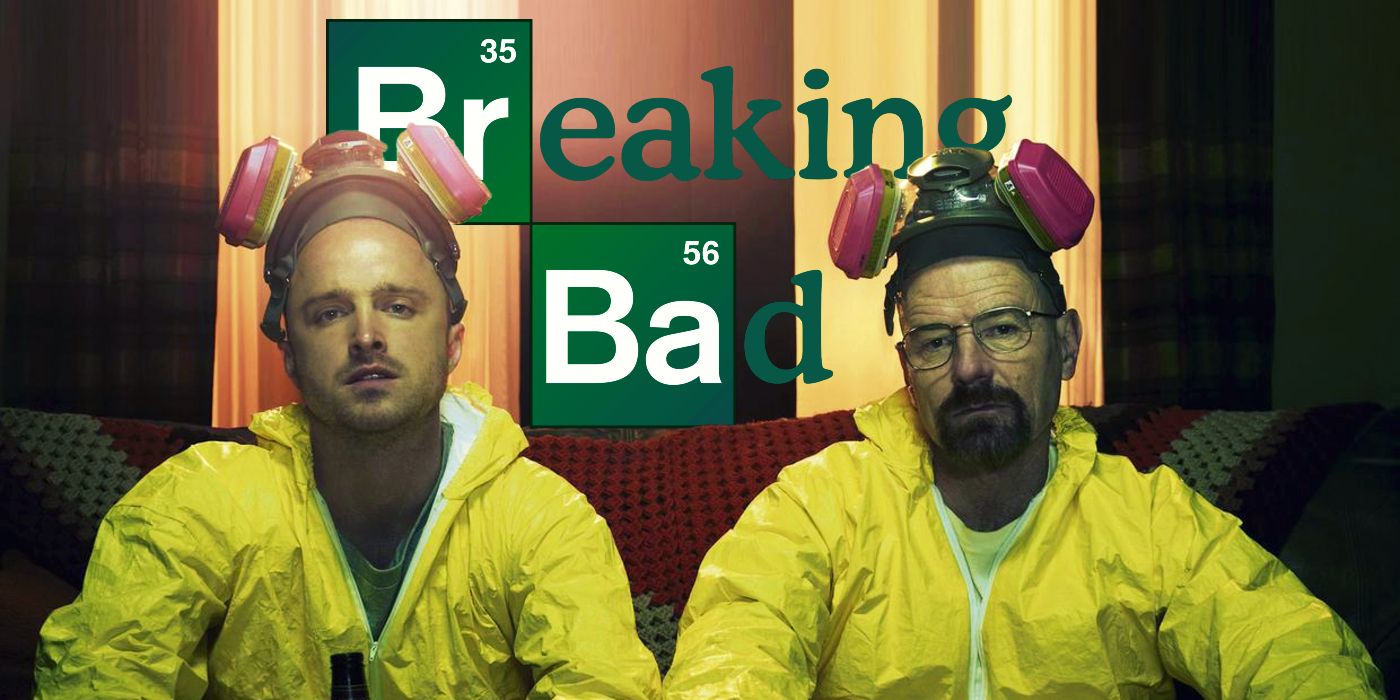
Airing from 2008 to 2013, Breaking Bad was an all-time favorite among fans and critics alike, averaging millions of viewers per episode and winning 16 Primetime Emmy Awards. The series actually grew more popular over time, starting with just over one million views per episode for Season 1 and finishing with over four million per episode for Season 5.
Given such a clear upward trend, there’s an argument to be made that the show could have continued, but a few key reasons, including show-runner Vince Gilligan’s own experience, help explain why the fifth season was the end of the line.
Click the button below to start this article in quick view.
What Was Breaking Bad?
The story of Breaking Bad begins with mild-mannered high school chemistry teacher Walter White, who lives with his wife and son in Albuquerque, New Mexico. After passing out at his birthday party, Walt is diagnosed with lung cancer and told that he only has a few years left to live. Worried for his family’s financial situation, should he pass away, Walt decides to team up with his former student, Jesse Pinkman, to create an exceptional, chemically-pure crystal meth. When their product becomes a hit with local users and traffickers, the duo are slowly pulled deeper into the Southwestern criminal underworld, raising the stakes with each new deal they make.
Creator Vince Gilligan stated that the show was the result of his desire to make a story in which the protagonist becomes the antagonist. The series faced some initial hurdles at first, including a lack on interest from most major cable networks, a change of location from Riverside, California to Albuquerque for financial reasons and a Writer’s Guild strike during production of the first season. Bryan Cranston as Walter White — now an iconic television character — almost never happened, as AMC first offered the role to John Cusack and Matthew Broderick, both of whom turned it down before Cranston was cast on Gilligan’s advice.
Why Breaking Bad Ended With Season 5
Although Breaking Bad could have continued for a sixth season, the decision to end the show was likely in the best interests of both the creators and fans. Gilligan actually discussed the possibility, but it ultimately came down to keeping the story fresh and memorable.
“I was very anxious about the idea of folks suddenly moving on, and saying, ‘Is that show still on the air? I used to watch it. It used to be good,’ I’d wanted folks rather to say, ‘Don’t end it now!’ he explained. He further clarified that “it was me as much as anybody who said, ‘I want to leave the stage at a high point, and not go past the high point.'”
Part of Gilligan’s desire to tie things up was his experience working on The X-Files, which in his opinion dragged on too long, resulting in a decrease in quality and relevance. The outstanding reviews given to the final season seemingly justify his decision, as they indicate that the cast and crew delivered a fitting conclusion for Walt and Jesse’s story.
The ongoing popularity of the show likely helped the series to expand. The spin-off prequel, Better Call Saul, depicts the backstory of Walt’s criminal lawyer Saul Goodman, and has managed to build on the success of Breaking Bad. Similarly, the follow-up feature film, El Camino: A Breaking Bad Movie, stands as a testament to the successful handling of the narrative, which has kept fans committed for years.
About The Author
