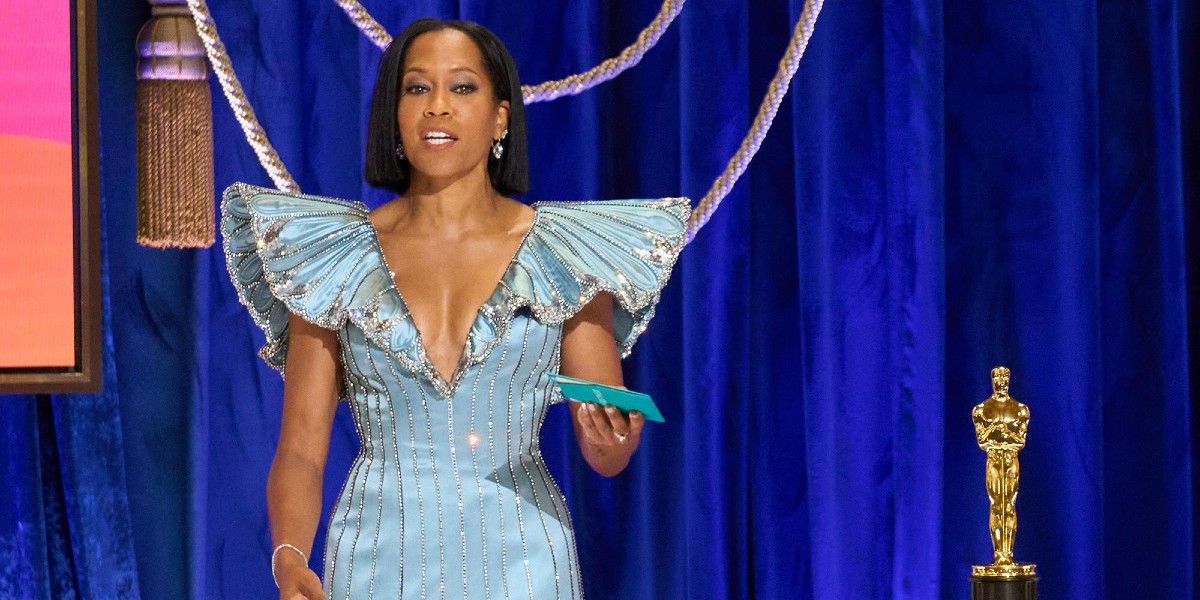
Awards shows have struggled to draw viewers this year, so it’s no surprise that the ratings for ABC’s broadcast of the 93rd Academy Awards tumbled to a record low. The show only attracted 9.85 million viewers, a 58 percent drop from last year’s ceremony, which previously set a record as the lowest-rated Oscars. Given these terrible numbers, it’s easy to wonder if awards shows should officially be considered a relic of the past. However, given this incredibly unusual year, there are several reasons the Oscars and other movie awards shows shouldn’t be written off just yet.
First, the bad news. Awards show ratings have been in free fall for years, and the chances of the Oscars ever again reaching the heights of 1998 when over 57 million people tuned in to see Titanic win Best Picture are unlikely. That’s because movies and especially TV have changed since then. Awards shows are a product of the old broadcast model, but today, between YouTube, TikTok and other social media, attention spans have shortened. Plus, because of streaming services like Netflix, we now expect to be able to watch what we want, when we want. Consequently, awards shows like the Oscars that stretch past three hours and are really only worth watching live on the night they’re aired just aren’t that enticing to many viewers, especially when they can see clips of the best bits online shortly after the broadcast.
Click the button below to start this article in quick view.
However, there’s still reason to believe that this year’s ratings dip was an exception. In a year that included a pandemic and protests over racial justice and police brutality, the glamour of Hollywood awards felt particularly frivolous. Moreover, with theaters shuttered, movies seemed more removed from our lives than they usually do as studios delayed the releases of their most highly anticipated films amid the pandemic.
The irony is the nominated movies were more accessible than ever, with many just a click away on streaming services or on-demand. However, because of the pandemic, the advertising and marketing that usually accompany Oscar films never happened. Since we weren’t going to theaters, we weren’t being exposed to trailers and other marketing materials we didn’t specifically seek out. As a result, many viewers were never exposed to any information about the films that were ultimately nominated for the awards. This led to a seriously muted awards season in which Nomadland became the lowest-grossing Best Picture Oscar winner at the domestic box office in the modern era.
Still, as theaters open up again and more people feel safe venturing out, it’s reasonable to believe that next year’s Oscars will draw more viewers. After all, even with everything else competing for our attention these days, the Oscars is still among the most-watched broadcast shows of the year, even in the pandemic era.
But to improve ratings and move into the future, awards show producers will have to seriously reassess the format of the shows in ways that go far beyond the changes implemented at this year’s Oscars. Future shows might consider limiting the number of awards doled out during the broadcast and figuring out ways to highlight at least a few movies with both bigger budgets and bigger fan bases. While the Academy has attempted to make the latter happen, increasing the number of Best Picture nominees isn’t the silver bullet many seemed to think it would be and the half-baked addition of a popular film category in 2018 was quickly scrapped.
Nonetheless, even in their current form, the Oscars and other awards shows still have some life in them. And for many of us, if next year’s ceremonies mark a return to the celebratory crowds of famous folks of pre-pandemic times, that will feel like a win in and of itself.
About The Author