Before its triumphant return to screens in 2005, Doctor Who endured a 16-year hiatus when the BBC dropped the show in 1989. The decision to end the series was the culmination of a long downward spiral, which had seen the sci-fi show trapped in a vicious circle of declining popularity amongst viewers and neglect from the powers-that-be at the BBC. It might be hard for newer fans to imagine Doctor Who winding up on the BBC’s chopping block; the modern revival has seen the series transformed into a global sensation with a fanbase to rival that of any other major sci-fi franchise, even regularly landing panels in San Diego Comic Con’s coveted Hall H. In the late 1980s, however, it was a different story.
Click the button below to start this article in quick view.
Officially, Doctor Who was never canceled. Abandoned might be a more accurate term. The BBC simply did not commission a new series for 1990 and then, with the sole exception of an ill-fated TV movie in 1996, did not return to Doctor Who until Russell T Davies’ pitch for what became the 2005 series. Sylvester McCoy, who was playing the time-travelling titular role in 1989, had signed up for another series and fan interest even seemed to be back on the uptick towards the end of the show’s original run. But none of that was enough to win the favor of the BBC’s high-ups.
Three senior BBC executives generally share the blame for Doctor Who‘s cancellation – Peter Cregeen, the BBC’s Head of Series in 1989, who ultimately made the decision to drop the show; Jonathan Powell, then Controller of BBC One; and Michael Grade, who had preceded Powell in BBC One’s top job. Both Powell’s and Grade’s disdain for Doctor Who was well documented. Grade felt the series wasn’t measuring up to popular science fiction cinema at the time, such as Star Wars and E.T., describing Doctor Who‘s 1980s serials as “garbage” in an interview with Evening Standard. Powell, who was Head of Drama Series and Serials when Grade was running BBC One, was similarly unimpressed by Doctor Who and had taken a particular disliking towards series producer John Nathan-Turner.
Powell and Grade first tried to take Doctor Who off the air in 1985, using a decline in ratings and audiences’ growing concerns over violence on TV to justify the decision. However, fan uproar saw the series return after just 18 months, with Season 23 airing in September 1986. While the first cancellation didn’t stick, it was a major speed bump for the show. Ratings were low and never quite recovered after the 1985 hiatus. Part of the blame lay with Nathan-Turner, whose creative direction in the introduction of Colin Baker as the Sixth Doctor saw fans starting to switch off. Baker’s Doctor was far more abrasive than previous incarnations and this harsher personality — not to mention a scene in which the ailing, newly regenerated Doctor strangled his companion, Peri (Nicola Bryant) — drew complaints about the character’s unlikability.
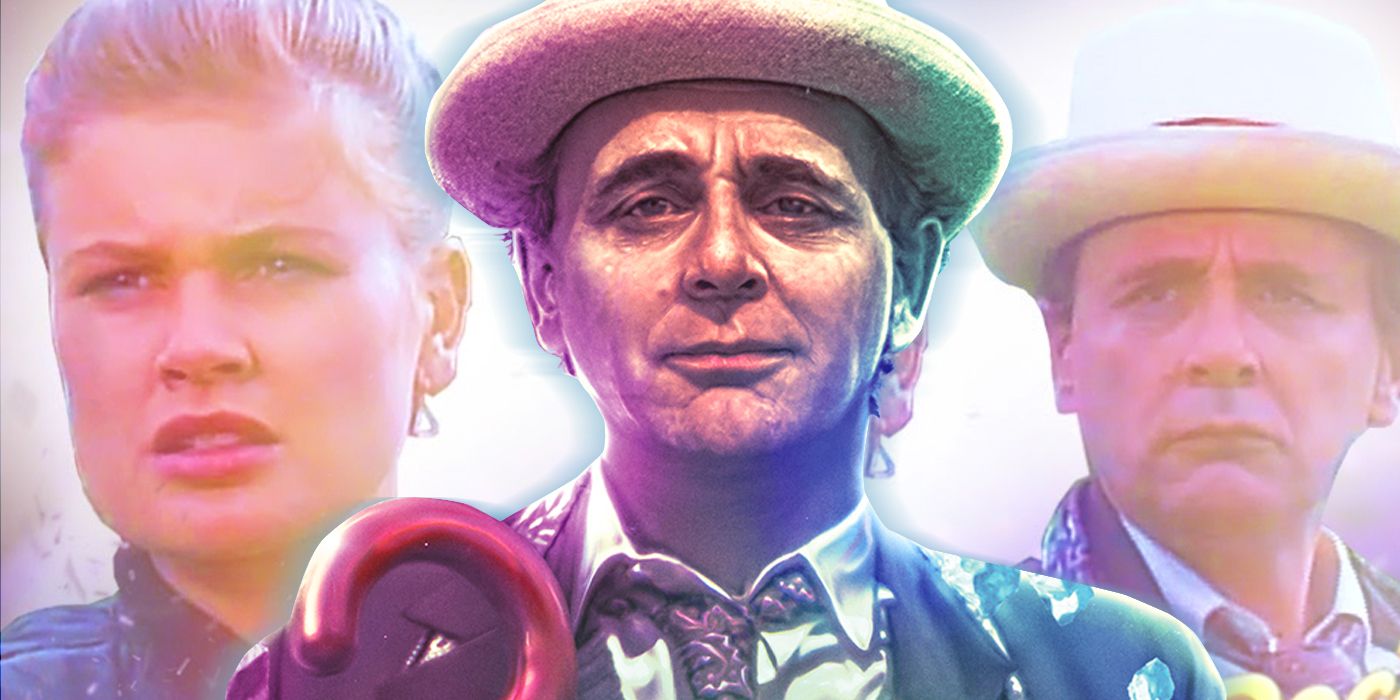
Baker was eventually fired when Grade forced Nathan-Turner to drop him from the series. Sylvester McCoy was cast as the Seventh Doctor and the show was moved to Monday nights, in direct competition with popular soap opera Coronation Street on ITV. Doctor Who‘s ratings took another hit and a report into audience reactions to McCoy’s first season showed the new Doctor, companion Mel (Bonnie Langford) and the series as a whole were scoring even lower with fans than the previous season had done. The following two years saw attempts to bring more darkness and gravitas to McCoy’s Doctor, along with the introduction of strong-willed new companion Ace (Sophie Aldred), and while these changes were met with some fan approval, it wasn’t enough to convince BBC executives to keep the show going.
Ultimately, it was the disapproving attitude of executives at the BBC that saw Doctor Who driven off the air, further enabled by unpopular casting and creative decisions. It is still unknown whether the BBC genuinely planned to cancel the show permanently or, as official statements claimed, merely rest it for a while. In any case, after 16 long years, Doctor Who finally returned to BBC One. Revitalized for a new age, the show was more popular than ever and went on to become the global sensation that it is today.
About The Author