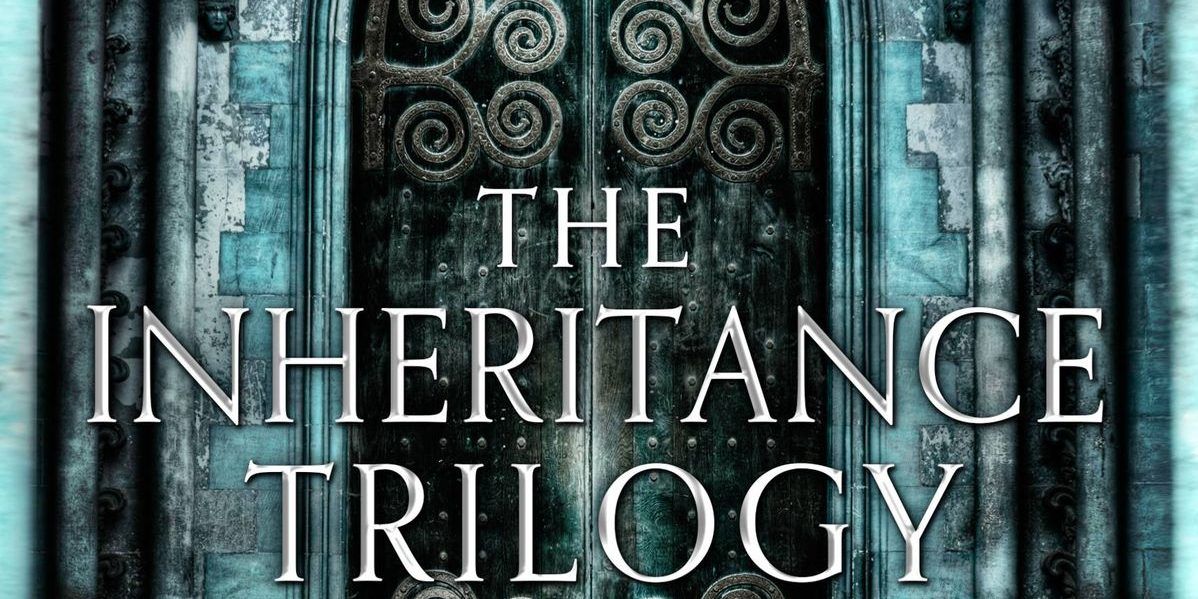
N.K. Jemisin’s Inheritance Trilogy is making the jump from page to screen. For fans of the fantasy genre and readers familiar with Jemisin’s debut work, this is cause for celebration. The Inheritance Trilogy focuses on a complex world on the brink of annihilation. It is a work full of diverse characters and a narrative that examines not only structures of political power and influence, but also our relationship with cosmic forces of nature and authority. The first book in the series, The Hundred Thousand Kingdoms, drew immense critical acclaim and was nominated for the World Fantasy, Hugo and Nebula awards, putting Jemisin’s name on the map.
Click the button below to start this article in quick view.
Here’s why the adaptation of Jemisin’s work will shake the foundations of mainstream fantasy.
A World of Gods and Man
The Inheritance Trilogy showcases the interplay between Gods, human culture, and the demonic offspring of each. The same events are interpreted by the Gods and the mortals below. For instance, mortals see the creation of the world as the result of lovemaking between the Gods, but from the Gods’ perspective, the creation is the result of a cosmic, churning storm.
Yeine Darr is the primary protagonist of the first book. We learn that she’s been named the heir to the Arameri throne by her grandfather Dekarta, the ruler of the Hundred Thousand Kingdoms. This puts her in a power struggle for those already seeking the throne, most notably against her cousin Scimina. At the same time, however, we also learn that Yeine has a degree of influence over the Gods, though the extent to which she maintains control over them changes over the course of the story, as well as how this can influence her own personal pursuit not for power, but for uncovering the mystery of her mother’s death.
The Inheritance Trilogy offers a more complex, nuanced view of reality, one that is poetic as well as grounded in realism. Ultimately, a murder mystery leads to a pursuit for cosmic power, which also alters forever Yeine’s perspective of her entire reality. All of this runs counter to a lot of modern fantasy, which tries to provide realistic, even scientific, explanations for the magical.
When The Sword of Shannara trilogy was adapted into The Shannara Chronicles, the fantasy TV series was rooted in relatively realistic elements. When Lord of the Rings was adapted for the big screen, much of the poetic mysticism of the original saga was sanded down. The connections between Sauron, the Balrogs and Gandalf are never mentioned, despite being key components of Middle-earth’s shared history.
By comparison, The Inheritance Trilogy forces audiences to reevaluate the same events through the perspectives of different cultures, creating a world with very complicated, contradictory outlooks. This challenges readers in ways mainstream fantasy often does not. As a result, adapting this element of the story to the small screen could make for a truly unique viewing experience.
True Racial Diversity in Fantasy Television
While the literary world has become more diverse, film and television has been slower to follow. There are fantasy and sci-fi films and shows that center on Black characters and racially diverse people. Black Panther grossed over a billion dollars at the box office. Lucasfilm is working to bring Tomi Adeyemi’s Children of Blood and Bone to the screen. These are stories that center on the long-form narratives centered on Black characters, cultures where Blackness is central, and written in a context that opposes the colonial influence of European white culture.
However, many fantasy works that feature Black characters either whitewash or suppress Blackness in the narrative. Characters might be Black, but still exist in a culture that follows European-centric sensibilities. This is even true during the adaptation process. Works that center on people of color, such as Ursula K. Le Guin’s Earthsea, are often still whitewashed when adapted.
RELATED: Amazon’s Lord of the Rings Series Loses a Star Over Creative Differences
Many fantasy stories that go on to be adapted to the screen often use problematic, racist tropes when focusing on diverse people. George R.R. Martin’s A Song of Ice and Fire, adapted into Game of Thrones, envisions the Dothraki as one singular culture and race. And Daenerys becomes a “white savior” when she frees the Black Yunkai slaves. This is an example of how non-white groups are used as a shorthand for “foreign” races who are often either characterized as slaves or savages. Martin is not unique in this. Robert E. Howard’s Conan stories and many others that eventually came to the screen employed similar stereotypes. Yet, while they’re incredibly offensive, these racist tropes continue to be regurgitated.
The Inheritance Trilogy, on the other hand, creates a world of different cultures that are simultaneously racially diverse and culturally diverse. The story’s world does not have a “monolithic” racial culture, and by adapting it to the small screen, a whole generation of creative individuals will see that fantasy doesn’t have to fall back on tropes that were deemed racist back in the 1920s.
About The Author