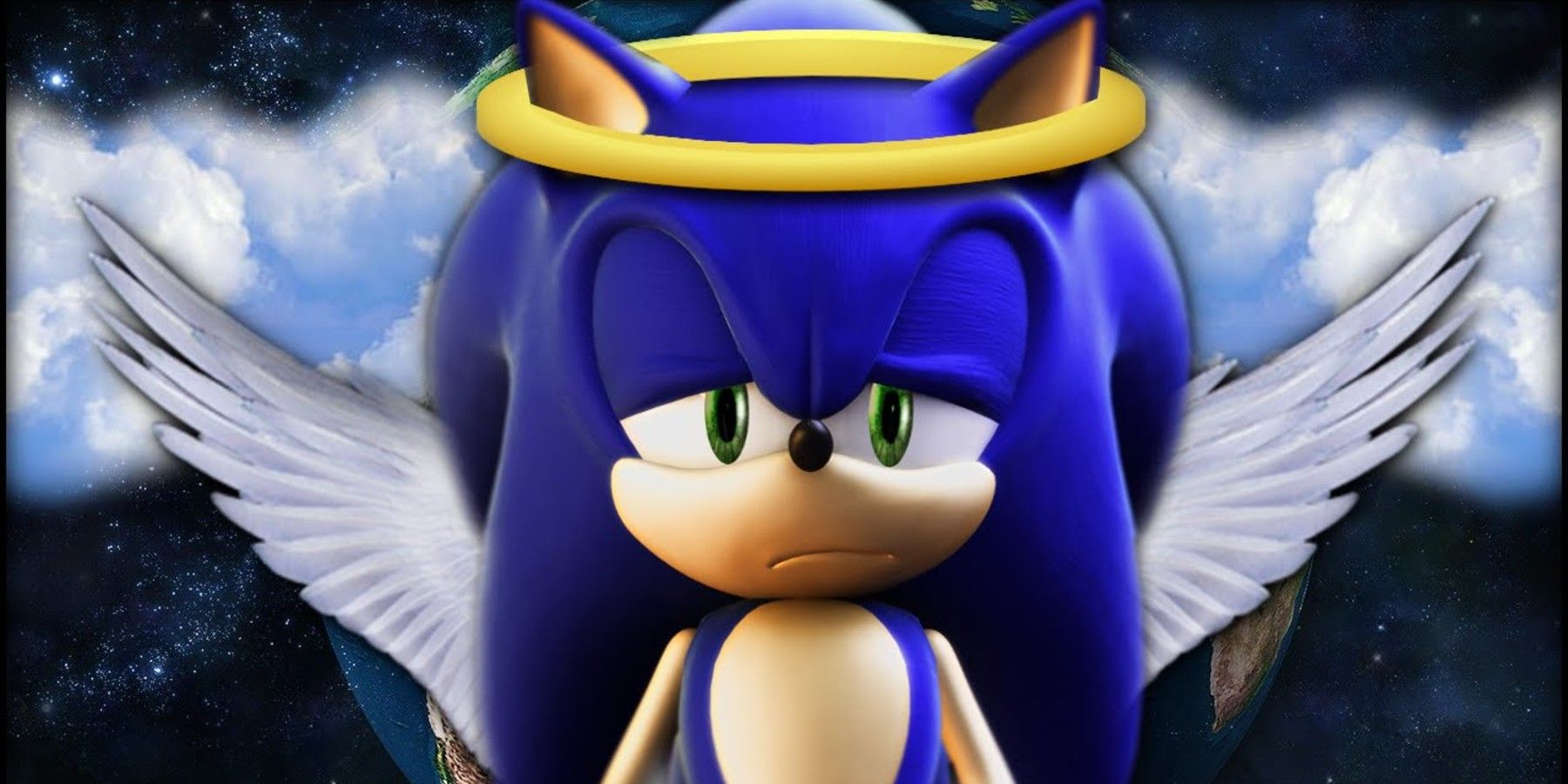
There’s nothing better than finding out your favorite video game is getting a sequel. Seeing a beloved protagonist set out on a brand-new adventure can send chills down the spine of even the most hardened gamer. However, spawning too many sequels in a limited amount of time can have the opposite effect. It’s far too common to see a treasured video game franchise be milked for all its worth by companies desperate for their next big hit. More companies need to learn when to let a video game series go and preserve its legacy instead of bogging it down with unnecessary sequels.
Watching a publisher run a beloved video game franchise into the ground can be heartbreaking for long-time fans. Investing hundreds of hours into a series only to see it crumble in numerous unneeded sequels can drive a gamer to madness. It seems some video game companies would rather see a series go down in flames instead of dying a noble death if they believe they can turn a profit. This, unfortunately, leads to a slew of sub-par sequels that drives the franchise into an early grave. If companies knew when to retire a series, more iconic franchises wouldn’t be tarnished by meaningless sequels that veer away from what made the original series great.
Click the button below to start this article in quick view.
Gamers are some of the most passionate hobbyists in existence. They can tell when a dedicated team of developers pour their heart and soul into a game and when a big-name company is trying to milk a franchise for all its worth. When publishers and developers push out sequels or spinoff titles with little to no love or compassion, gamers can sense it well before its hits store shelves. Throwing out meaningless cash grabs only hurts a company’s reputation while leaving gamers with a bad taste in their mouths.
New IPs are the backbone of the video game industry. They keep things fresh and take players on exciting new adventures full of original characters and enthralling story narratives. It seems like more video game companies would rather play it save by releasing sequels, remakes, and remasters of older games than create new IPs. Although many modern remakes and remasters allow gamers to revisit their favorite video game classics in a new light, nothing compares to a new revolutionary IP that pushes the industry in an exciting new direction.
There is absolutely nothing wrong with sequels, remakes and remasters when developers handle them with care. However, pushing lackluster continuations or remasters of beloved titles to make a quick buck is becoming more of an issue than ever before. Video game companies need to respect their IPs and retire them once they run their course. If video game companies would focus on creating new IPs instead of rushing sub-par sequels and remakes that don’t encapsulate the original franchise, both gamers and the industry itself would greatly benefit.
About The Author
